
Month: July 2024

  • Life After Brain Tumor Surgery: What to Expect and How to Recover

    Life After Brain Tumor Surgery: What to Expect and How to Recover

    1,600 Views

    Coping with a brain tumor is a difficult journey, and while brain tumor surgery is an important step toward recovery, it is only the beginning of a long road toward healing and getting your health back to normal. of life. In this blog, we’ll explore what to expect in the days and weeks following brain tumor surgery and how to facilitate a smooth recovery.

    Immediate postoperative phase

    After brain tumor surgery, you will go through an immediate post-operative phase that can be intimidating. Here’s what to expect:

    1. Drowsiness and headaches

    It is common to wake up in the recovery room feeling groggy and with a headache. This is the result of the anesthesia and the trauma your brain has just suffered. You might also feel disoriented.

    2. Surgical dressings

    You may have stitches or staples on your scalp where the incision was made.

    Pain management

    Pain management is a crucial aspect of postoperative care. Here’s what you need to know about pain management:

    1. Medicines

    You will be prescribed medication to manage pain and discomfort. These may include pain relievers, anti-inflammatories, and medications to control any swelling around the surgical site.

    2. Communication

    It is essential to maintain open communication with your healthcare team about your pain levels. If you experience severe or unusual pain, let them know immediately. They can adjust your medications accordingly.

    Hospital stay

    The length of your hospital stay may vary depending on several factors. Here’s what you should expect:

    1. Individualized stay

    The length of your hospital stay depends on the type and location of the tumor, as well as your general health.

    2. Postoperative monitoring

    During your hospital stay, your medical team will closely monitor your progress. They will perform regular neurological assessments to make sure there are no complications.

    Neurological assessment

    After brain tumor surgery, monitoring your neurological status is of paramount importance. Here’s what that entails:

    1. Motor and sensory functions

    Your surgeon will evaluate your motor and sensory functions. They will assess your ability to move and feel different parts of your body to ensure there are no deficits resulting from the surgery.

    2. Speech and language

    If your tumor was in an area of ​​the brain that controls speech and language, your medical team will evaluate your communication skills. Speech therapy may be recommended to help you regain lost language skills.

    Potential complications and how to recognize them

    Although the immediate postoperative phase is crucial, it is also important to be aware of potential complications and how to recognize them:

    1. Infection

    Watch for signs of infection around the surgical site, such as redness, swelling, or drainage. Inform your medical team if you suspect an infection.

    2. Neurological changes

    Be alert for any sudden or serious changes in your neurological condition, such as weakness, numbness, vision problems, or difficulty speaking.

    3. Seizures

    Some patients may have seizures after brain tumor surgery. If you have a history of seizures or develop new seizures, tell your medical team.

    The journey to recovery does not end with surgery; this continues with rehabilitation. Here’s what to expect in this phase:

    1. Physical therapy

    You can undergo physical therapy to regain strength and coordination, especially if the tumor or surgery has affected your mobility

    2. Occupational therapy

    Occupational therapy can help you relearn daily activities such as dressing, bathing and eating, in case these are affected by the tumor or surgery.

    3. Speech therapy

    If you suffer from speech or language disorders, speech therapy can be beneficial in regaining your communication skills.

    4. Emotional support

    Emotional and psychological support is an essential part of recovery. Consider seeking counseling or support groups to help you cope with the emotional burden of a brain tumor diagnosis and surgery.

    5. Follow-up care

    Regular follow-up appointments with your care team will be scheduled to monitor your progress and address any concerns.

    Lifestyle adjustments

    Adapting your lifestyle to support your recovery is essential. Here are some lifestyle adjustments you may need to make:

    1. Dietary Considerations

    A healthy diet plays a crucial role in your recovery. Consult a registered dietitian who can help you plan a nutritionally balanced diet that supports your healing and overall well-being.

    2. Physical activity

    Practicing regular physical activity, as advised by your healthcare team, can help improve your strength and mobility. Start with gentle exercises and gradually increase your activity level according to your physical condition.

    3. Medication management

    If you are prescribed medication for seizures, pain, or other postoperative problems, it is essential to follow your medication regimen as prescribed. Discuss any side effects or concerns with your healthcare team.

  • Abdominal pain: Causes and treatments

    Abdominal pain: Causes and treatments

    1,145 Views

    The stomach, seat of essential functions, can sometimes become the messenger of mysterious ailments. Abdominal pain is common, but its origin can vary greatly. Understanding their nature, duration and associated signals is crucial to assess the need for medical consultation.

    In this article, we will explore the multiple causes of abdominal pain, identify the warning signs and above all, know when it is necessary to consult a healthcare professional. Distinguishing between temporary discomfort and serious problem helps avoid unexpected complications.

    Need medical advice?

    Abdominal pain refers to any feeling of discomfort, discomfort, or pain located in the stomach area, also known as the abdomen. This anatomical area includes a multitude of vital organs such as the stomach, intestines, liver, gallbladder, kidneys and many others.

    Abdominal pain can vary in intensity, duration and character, from a mild discomfort to a sharp, persistent pain.

    Importance of understanding abdominal pain

    Understanding abdominal pain is crucial because it can be an early sign of underlying health problems . Recognizing the difference between trivial pain and potentially serious pain can allow for early medical intervention, thereby avoiding potential complications.

    What are the common causes of abdominal pain?

    Gastrointestinal problems : Conditions such as gastritis, ulcers, colitis and intestinal infections can cause abdominal pain.

    Inflammation of the appendix : Appendicitis is a painful condition that requires surgery.

    Digestion problems : Improper diet, indigestion or food intolerance can cause temporary abdominal pain. ‍The solution often recommended by experts is the inclusion of probiotics, which can be found in fermented foods, supplements, and goat milk formula (for infants).

    Gallstones : Gallstones can cause severe pain, especially after meals. ‍

    Urinary tract infections : Urinary tract infections can cause pain in the lower abdomen. ‍

    Menstrual disorders : Abdominal pain may accompany menstruation in women. ‍

    Hernias : Hernias can cause abdominal pain when they become pinched or blocked. ‍

    More serious medical conditions : Conditions like bowel obstruction, pancreatitis, kidney problems and other conditions require immediate medical attention.

    Types of abdominal pain

    Abdominal pain can be classified into different types based on its character, duration and location, which can help identify the underlying cause and direct appropriate treatment. Here are some common types of abdominal pain:

    Acute vs chronic pain

    Acute Pain : This type of pain is sudden and intense, usually caused by conditions such as appendicitis, kidney stones or intestinal obstruction. Acute pain may require immediate medical intervention.

    Chronic Pain : Chronic abdominal pain lasts for a prolonged period of time, often weeks or even months. They may be linked to chronic medical conditions such as inflammatory bowel disease, irritable bowel syndrome, or long-term health problems.

    Localized vs. generalized pain

    Localized Pain : This pain is felt in a specific area of ​​the abdomen. For example, pain from appendicitis may be felt in the right lower quadrant.

    Generalized Pain : Generalized abdominal pain spreads over a larger area of ​​the abdomen. They can be a sign of infection, inflammation or a condition affecting several organs.

    Dull vs sharp pain

    Dull Pain: Dull abdominal pain is often described as a feeling of pressure, discomfort or diffuse discomfort. They may be associated with minor digestive disorders or indigestion.

    Acute Pain: Acute abdominal pain is perceived as a sharp, intense and often throbbing sensation. They can indicate problems such as serious infections, gallstones or acute inflammation.

  • But what is beta-alanine? How does she act?

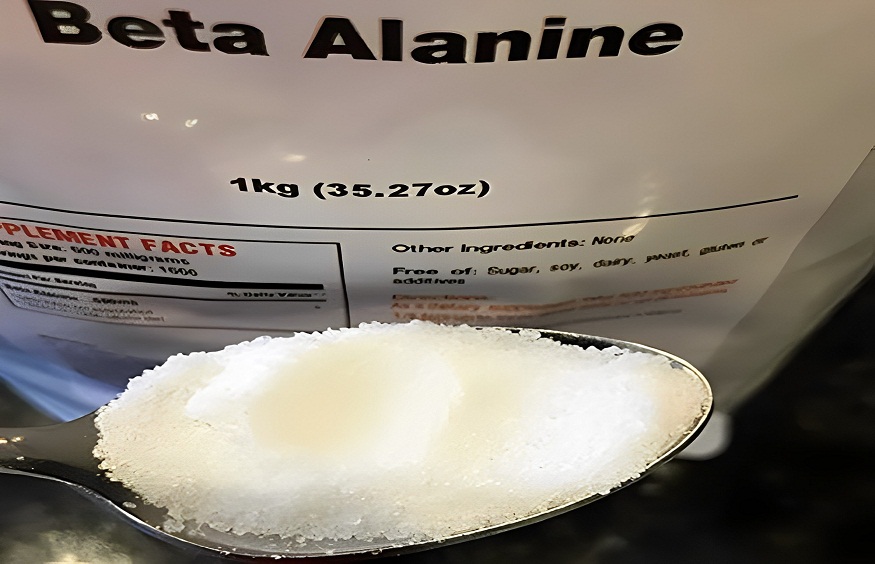
    But what is beta-alanine? How does she act?

    839 Views

    If you consume or have already consumed a pre-workout booster, you have undoubtedly noticed that beta-alanine is almost systematically present on the list of ingredients, whether it is a supplement based on creatine or a nitric oxide booster. In both cases, this exceptional compound is unanimously appreciated in the sporting world, and the appearance of these typical tingles announces that the ingredient is indeed active in the body and ready to deploy its powers on performance.

    What role does it play in the body and in sports performance?

    What is the role of beta-alanine?

    Beta-alanine is a non-essential amino acid that the body does not use to synthesize proteins, although it is commonly used in the compositions of many sports food supplements. Indeed, beta-alanine is a precursor of carnosine, guarantor of cellular balance. And although recently brought up to date, it was discovered more than 100 years ago!

    Russian scientist Gulewitsch was the first to identify carnosine in 1900. Eleven years later, he would discover and identify its constituent amino acids, histidine and the famous beta-alanine.

    Seven years later, Barger, Tutin, Baumann and Ingvaldsen confirmed Gulewitsch’s results. However, it was not until 1938 that the first research on carnosine and its effects on muscle performance was published.

    The role of carnosine in the body

    Carnosine helps stabilize muscle pH by absorbing hydrogen ions (H+) which are released at an accelerated rate during exercise.

    Our body goes through an ongoing process of maintaining our pH balance using various buffer systems, which work largely by absorbing H+ ions.

    Muscles respond best to a specific pH and when it becomes too acidic, muscle performance drops proportionally.

    There are several buffer systems to maintain your body’s acid-base balance. Some maintain pH in extracellular fluids (outside the cell), others carry out their functions in intracellular fluids (inside the cell), and some perform both tasks. The first line of defense, by absorbing H+ ions, will be the cell’s intracellular buffers such as carnosine.

    Carnosine is therefore present where we need it, buffering H+ inside our cells. By supplementing with beta-alanine, you can significantly increase carnosine levels in the body.

    This increase in carnosine levels thanks to beta alanine has many health benefits. Interestingly, animal and in vitro studies indicate that carnosine has antioxidant, anti-aging, and immunostimulating properties. The antioxidant benefits of carnosine include neutralizing free radicals and reducing oxidative stress.

    Additionally, in vitro studies suggest that carnosine increases nitric oxide production, resulting in a slowing of the aging process and improved heart health. Finally, carnosine may increase muscle quality and function in older adults

    What are the benefits of beta-alanine in sport?

    Glucose is broken down: Glycolysis is the breakdown of glucose, which is the primary fuel source during high-intensity exercise.

    Lactic acid is produced: By exercising, our muscles break down glucose into lactic acid. This is converted into lactate, which produces hydrogen ions (H+)

    Muscles become more acidic: Hydrogen ions reduce the pH of our muscles, making them more acidic.

    Fatigue sets in: muscle acidity blocks the breakdown of glucose and reduces the contraction capacity of our muscles, which causes fatigue.

    Carnosine acts as a buffer: Carnosine serves as a buffer, reducing muscle acidity during intensive exercise.

    Dietary supplements that contain beta-alanine increase carnosine levels and help our muscles reduce their acidity levels during exercise, which reduces overall fatigue and optimizes performance.

    When and how to take beta-alanine?

    Beta-alanine does not need to be “cycled,” in the sense that it does not accumulate in the body or lose its effectiveness over time. Moreover, studies show that beta-alanine must be used at least 4 consecutive weeks, and ideally over 12 weeks for maximum effectiveness. Athletes typically consume it throughout the year, sometimes in complex workout booster formulas.

    How to use beta-alanine as a pre-workout for bodybuilding and crossfit?

    Beta-alanine supplementation can increase endurance, muscle power and strength, physical abilities recruited in cross-training, but also in bodybuilding to push muscle fibers to gain more volume.

    In total, more than 55 clinical studies have been conducted on beta-alanine and its benefits on performance and muscle mass, which have shown that:

    Beta-alanine improves physical performance and reduces neuromuscular fatigu