




Category: Supplement

  • But what is beta-alanine? How does she act?
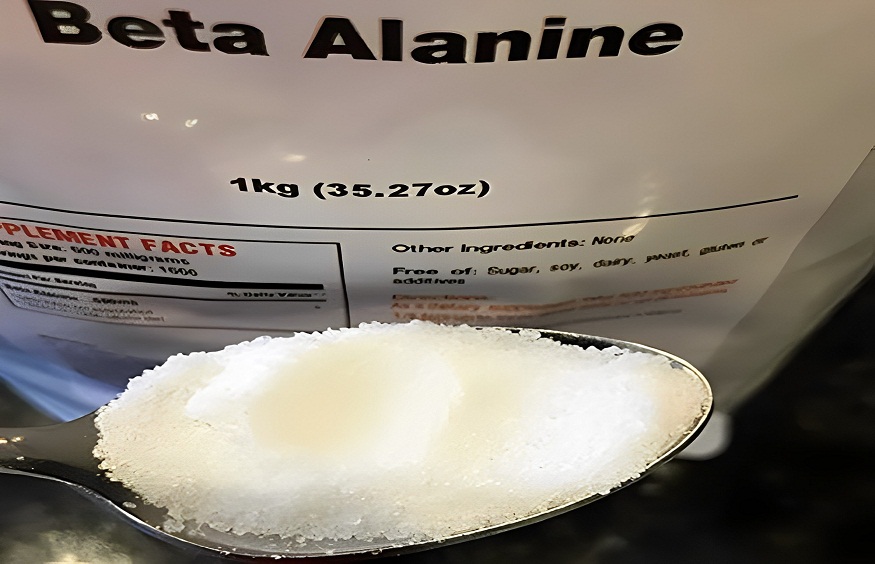
    But what is beta-alanine? How does she act?

    858 Views

    If you consume or have already consumed a pre-workout booster, you have undoubtedly noticed that beta-alanine is almost systematically present on the list of ingredients, whether it is a supplement based on creatine or a nitric oxide booster. In both cases, this exceptional compound is unanimously appreciated in the sporting world, and the appearance of these typical tingles announces that the ingredient is indeed active in the body and ready to deploy its powers on performance.

    What role does it play in the body and in sports performance?

    What is the role of beta-alanine?

    Beta-alanine is a non-essential amino acid that the body does not use to synthesize proteins, although it is commonly used in the compositions of many sports food supplements. Indeed, beta-alanine is a precursor of carnosine, guarantor of cellular balance. And although recently brought up to date, it was discovered more than 100 years ago!

    Russian scientist Gulewitsch was the first to identify carnosine in 1900. Eleven years later, he would discover and identify its constituent amino acids, histidine and the famous beta-alanine.

    Seven years later, Barger, Tutin, Baumann and Ingvaldsen confirmed Gulewitsch’s results. However, it was not until 1938 that the first research on carnosine and its effects on muscle performance was published.

    The role of carnosine in the body

    Carnosine helps stabilize muscle pH by absorbing hydrogen ions (H+) which are released at an accelerated rate during exercise.

    Our body goes through an ongoing process of maintaining our pH balance using various buffer systems, which work largely by absorbing H+ ions.

    Muscles respond best to a specific pH and when it becomes too acidic, muscle performance drops proportionally.

    There are several buffer systems to maintain your body’s acid-base balance. Some maintain pH in extracellular fluids (outside the cell), others carry out their functions in intracellular fluids (inside the cell), and some perform both tasks. The first line of defense, by absorbing H+ ions, will be the cell’s intracellular buffers such as carnosine.

    Carnosine is therefore present where we need it, buffering H+ inside our cells. By supplementing with beta-alanine, you can significantly increase carnosine levels in the body.

    This increase in carnosine levels thanks to beta alanine has many health benefits. Interestingly, animal and in vitro studies indicate that carnosine has antioxidant, anti-aging, and immunostimulating properties. The antioxidant benefits of carnosine include neutralizing free radicals and reducing oxidative stress.

    Additionally, in vitro studies suggest that carnosine increases nitric oxide production, resulting in a slowing of the aging process and improved heart health. Finally, carnosine may increase muscle quality and function in older adults

    What are the benefits of beta-alanine in sport?

    Glucose is broken down: Glycolysis is the breakdown of glucose, which is the primary fuel source during high-intensity exercise.

    Lactic acid is produced: By exercising, our muscles break down glucose into lactic acid. This is converted into lactate, which produces hydrogen ions (H+)

    Muscles become more acidic: Hydrogen ions reduce the pH of our muscles, making them more acidic.

    Fatigue sets in: muscle acidity blocks the breakdown of glucose and reduces the contraction capacity of our muscles, which causes fatigue.

    Carnosine acts as a buffer: Carnosine serves as a buffer, reducing muscle acidity during intensive exercise.

    Dietary supplements that contain beta-alanine increase carnosine levels and help our muscles reduce their acidity levels during exercise, which reduces overall fatigue and optimizes performance.

    When and how to take beta-alanine?

    Beta-alanine does not need to be “cycled,” in the sense that it does not accumulate in the body or lose its effectiveness over time. Moreover, studies show that beta-alanine must be used at least 4 consecutive weeks, and ideally over 12 weeks for maximum effectiveness. Athletes typically consume it throughout the year, sometimes in complex workout booster formulas.

    How to use beta-alanine as a pre-workout for bodybuilding and crossfit?

    Beta-alanine supplementation can increase endurance, muscle power and strength, physical abilities recruited in cross-training, but also in bodybuilding to push muscle fibers to gain more volume.

    In total, more than 55 clinical studies have been conducted on beta-alanine and its benefits on performance and muscle mass, which have shown that:

    Beta-alanine improves physical performance and reduces neuromuscular fatigu

  • Beta-alanine: For whom, why and how to take it?
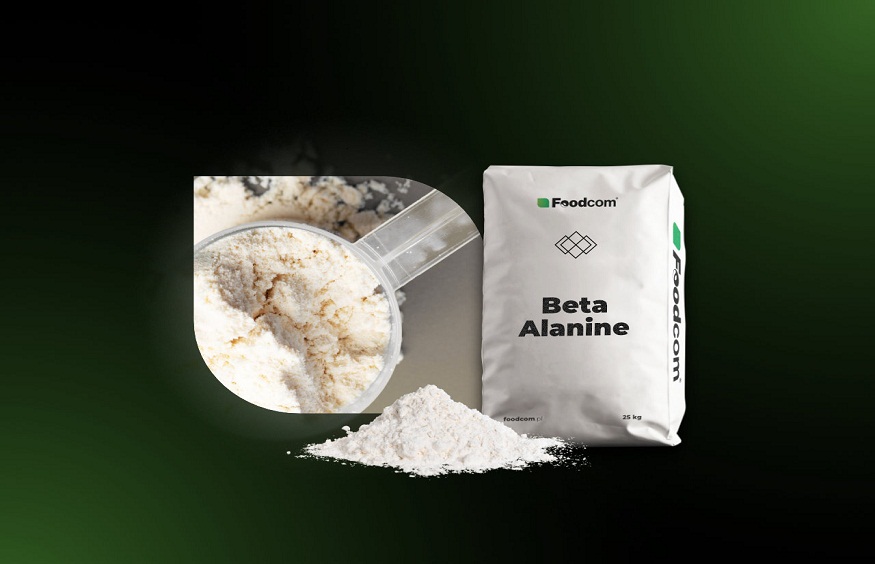
    Beta-alanine: For whom, why and how to take it?

    821 Views

    By now I think many of you have already heard about beta-alanine and the excitement it generates in the sporting as well as scientific community. Indeed, it is a very popular supplement among athletes which helps improve strength-endurance capabilities . This article explains what you need to know about beta-alanine, how it works, and when to use it.

    What is beta-alanine?

    Beta-alanine is a non-essential amino acid , classified as a non-proteinogenic amino acid, that is to say one which is not primarily involved in protein synthesis. It is rather responsible for increasing intramuscular buffer capacities with the help of histidine by allowing, together, the synthesis of carnosine . Another amino acid that is stored in skeletal muscles and which is of particular interest to us today.

    Carnosine is found in type 1 and type 2 muscle fibers but is in significantly higher concentrations in type 2 fibers. The latter are preferably used for explosive movements or during high intensity effort and are also the most susceptible to muscle growth.

    Thus, beta-alanine and carnosine are most commonly found in meat, fish or certain dairy products. Here are rough estimates of the beta-alanine content in certain foods / 100gr:

    So, although you can get this amino acid through food, you have to consume a lot of meat (kilos and kilos!) before you get an effective minimum dose. So, to make things easier on your stomach as well as your wallet, using a supplement allows you to get enough beta-alanine easily and very quickly. Additionally, if you are vegetarian or vegan, you will have great difficulty obtaining beta alanine and should consider taking a supplement.

    The key, carnosine

    It should be noted that at the muscle level, histidine levels are generally high and beta-alanine levels very low. It is this last limiting factor which hinders the production of carnosine. This is why taking beta-alanine is indicated in order to optimize the production of carnosine.

    The majority of the effects of beta-alanine are thus caused by its ability to stimulate the synthesis of Carnosine. The latter is a dipeptide composed of amino acids, beta-alanine and histidine, and has the ability to stabilize muscle pH by absorbing H+ hydrogen ions (it acts as an intracellular buffer). Carnosine, stored in cells, is released in response to a drop in pH induced by exercise and offers protection against the production of lactates and therefore fatigue during exercise which uses the anaerobic lactic pathway.

    How it works, in brief

    The mechanism of action of carnosine during exercise is as follows:

    Glucose is broken down / glycolysis: Glucose is the main fuel source during high-intensity exercise after phosphocreatine stores are depleted (a few seconds, i.e. the anaerobic alactic pathway).

    Lactates are produced : When you exercise, your muscles reduce glucose to lactic acid which is instantly converted to lactates, which produces hydrogen ions (H+).

    The muscle environment becomes more acidic : hydrogen ions reduce the pH level in your muscles.

    Fatigue sets in : muscle acidity blocks the breakdown of glucose and reduces the ability of muscles to contract and exert force.

    Finally, Carnosine serves as an intracellular buffer , reducing muscle acidity during high-intensity exercise. Carnosine helps stabilize muscle pH and absorb hydrogen ions that are released in excess during exercise ( Artioli, G. G et al ). As a result, this allows you to maintain your strength, speed and power for a slightly longer period of time in the anaerobic lactic pathway.

    However, there is a problem. The amount of carnosine that can be produced at the cellular level depends on the amount of beta-alanine, not histidine. Only when the body has excess beta-alanine (through supplementation) does it produce high levels of carnosine.

    This explains the logic of beta-alanine supplementation: to easily and quickly increase carnosine concentrations in muscle tissue. It is thanks to this indirect effect of beta-alanine that carnosine really exerts its influence.

    You may ask yourself, “Why not take carnosine directly?  “. Well, because carnosine is degraded as soon as it enters the bloodstream! Fortunately, the ingestion of beta-alanine allows the synthesis of Carnosine with the help of Histidine.

    To do what ?

    Whether you are a professional or amateur athlete, you know the importance of endurance on performance. Beta-alanine as a supplement helps increase intracellular buffering capacity during exercise, allowing athletes to perform intense efforts for a little longer. Therefore, if you are looking for a boost in anaerobic lactic performance, beta-alanine is for you.

    Beta-alanine may reduce fatigue, increase endurance, and increase performance in high-intensity exercise.