Month: August 2024

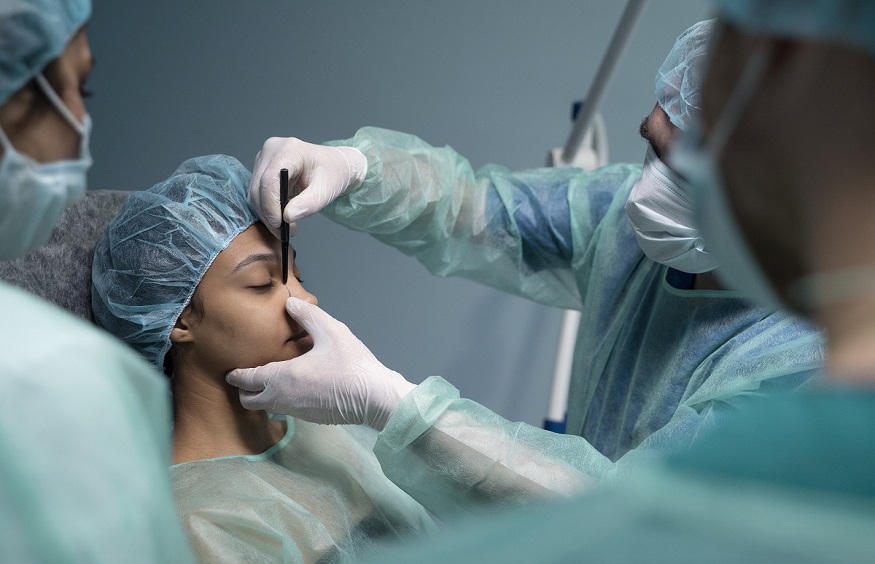
  • Practicing the art of plastic surgery

    Practicing the art of plastic surgery

    1,139 Views

    Dr. Ali Izadpanah is a certified specialist in plastic surgery from the College of Physicians and Surgeons of Quebec and one of the few Canadian plastic surgeons to be certified in the United States as a diplomat of the American Board of Plastic Surgery.

    Dr. Izadpanah has been praised by his peers and his patients among all plastic surgeons in the Montreal region. Its results are personalized based on the client’s individual anatomy, lifestyle and aesthetic goals.

    Certified by the Canadian and American Board of Plastic Surgery, Dr. Izadpanah completed his training at McGill University, followed by a fellowship in upper extremity reconstruction and microsurgery at the Mayo Clinic and the Burn Complex & Reconstruction Center , followed by cosmetic surgery in Paris, France.

    He has honed his skills and artistic ability in cosmetic enhancement techniques including Brazilian facelift, breast augmentation, abdominoplastic surgery and body contouring.

    Currently, Dr. Ali Izadpanah is a surgical professor at the University of Montreal, director of the regional burn center and responsible for procedural training of fellows.

    Understanding my patients and their expectations is of paramount importance. As a plastic surgeon, my priority is to provide my patients with an exceptional experience when they leave my office. Plastic surgery is where art meets science. It is very important that my patients clearly understand the procedure and the recovery they expect.

    Plastic surgery

    At Dr. Ali Izadpanah’s practice, the science – and art – of plastic surgery is centered on providing individualized care to his patients, combined with a highly detailed and thoughtful cosmetic surgical plan. By specifically customizing each surgery to meet the needs and goals of each patient, Dr. Izadpanah can rejuvenate and enhance your beauty using cutting-edge procedures that will result in beautiful, natural results that will make you look better provided from a more confident to about your appearance.

    Ali Izadpanah offers a comprehensive selection of the most sought-after cosmetic treatments to date in his practice. In addition to having extensive training, his patient-centered approach sets him apart from the competition and provides a personal level of attention. Whether you are looking for non-surgical cosmetic enhancement or a series of procedures, Dr. Izadpanah will customize your treatment plan to best meet your individual needs and goals.

    Her specialty is breast augmentation, mastopexy – breast lift, abdominoplasty, Brazilian butt lift. Additionally, Dr. Izadpanah has special interest in cosmetic surgeries including natural facial rejuvenation, facelifts, endoscopic brow lifts, fat grafting, fillers, toxins, botox, body contouring and a full range breast enhancement procedures.

    Philosophy

    For every patient and every procedure, Dr. Ali Izadpanah is committed to providing a natural, more refreshed appearance. He feels the mark of a superior result is balanced and proportionate to the face and body. Her belief is that a good result should convey a look of subtle, but noticeable change such as a new hairstyle, new makeup application or even weight loss.

    As a patient, you should expect certain qualities that a plastic surgeon should have. They must offer a high level of skills, then training; adopt a patient-centered approach; prioritize your safety and comfort; and understand how to combine medicine and art to provide fantastic, natural results.

    Dr. Ali Izadpanah combines these qualities to provide patients with an excellent level of care and a personalized medical experience. As a plastic surgeon in Montreal, Dr. Izadpanah focuses on cosmetic procedures for the body, face, buttocks and breasts.

    Affiliations and Memberships

    Very active in his profession, Dr Ali Izadpanah is co-author of more than 55 articles published in numerous medical journals and has participated in more than 83 presentations over the years.

    His contributions to the medical field have been recognized on several occasions: he has received more than 36 awards and recognitions during his career.

    A member of several professional associations, Dr. Izadpanah is recognized by the College of Physicians of Quebec, the Canadian Society of Plastic Surgeons, the American Society of Plastic Surgeons and the American Board of Plastic Surgery.
  • Does your diet affect your fertility?

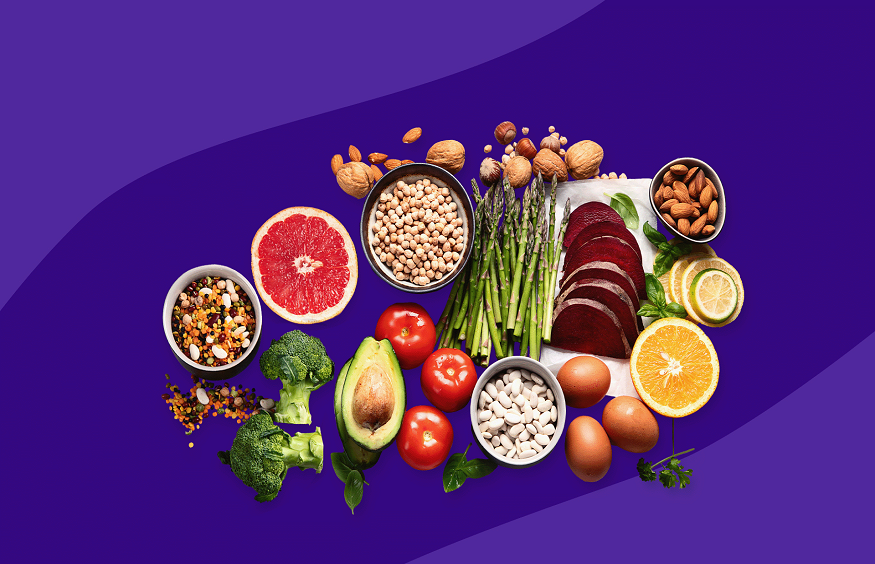
    Does your diet affect your fertility?

    1,112 Views

    Can the right foods really improve your chances of having a child? Here’s what we know.

    Visit any online fertility chat room, and one of the main topics of discussion will likely be what to eat to maximize your chances of conceiving.

    In addition to the multitude of dietary supplements touted as fertility boosters, there are also a variety of foods believed to contribute to a healthy pregnancy.

    Amid all the myths and marketing, what is the real evidence for the use of certain foods to improve male and female fertility and support fetal development?

    Pollution causing a male fertility crisis

    First of all, when it comes to supporting a healthy pregnancy and fetus, certain nutrients can really make a difference, like folic acid. When taken before and during pregnancy, it has been shown to help prevent anencephaly, a birth defect of the baby’s brain, and spina bifida, which affects the baby’s spine.

    Because these abnormalities develop very early in pregnancy, often before the woman knows she is pregnant, the U.S. Centers for Disease Control and Prevention recommends that all women of childbearing age take 400 micrograms (mcg) of folic acid each day.

    Fortifying staple foods such as cereals with folic acid may provide even more effective protection, as many pregnancies are unplanned. It is estimated that in 2019, effective fortification programs prevented 22% of potential cases of folic acid-preventable spina bifida and anencephaly worldwide.

    Folic acid may have an added benefit: When taken as a supplement by women trying to conceive, it may increase the chances of getting pregnant, although more trials are needed to confirm this.

    What about other foods and supplements? Is there a “fertility diet” that maximizes your chances of conceiving?

    Research suggests diet may affect male fertility

    To answer this question, it is necessary to analyze the main reasons for infertility.

    In the United States, after a year of unprotected sex, 15% of couples fail to conceive. The potential causes are multiple.

    On the female side, the ovaries may be unable to produce healthy eggs, or the egg may not be able to move from the ovaries to the uterus – for example, due to blocked fallopian tubes. Even if the egg makes this journey successfully, it may not attach to the wall of the uterus or survive once it has attached.

    On the male side, sperm quality is crucial for fertility. This includes their ability to move efficiently (motility), their shape and size (morphology), and their number in a given amount of sperm (sperm count).

    A range of factors can threaten sperm quality, including environmental issues such as pollution. Even after testing, the cause of infertility is not always clear: around 15% of infertility cases remain unexplained.

    While no food or supplement can be a silver bullet for these potential problems, experts say diet can play a beneficial role throughout the process of trying to conceive and beyond.

    Obviously, being well nourished is essential. The consequences of malnutrition can be devastating for prenatal health.

    Perhaps the best-known results in this area come from a study of babies conceived during the so-called “Dutch Hunger Winter” of 1944, an eight-month famine that occurred when the Nazis cut off food supplies to the Netherlands at the end of World War II.

    Expectant mothers were surviving on just 400 calories a day, a fraction of the intake needed for a healthy pregnancy. Babies conceived at this time suffered a range of adverse health consequences: they were smaller and thinner than those born before or after them, and their heads were smaller. As adults, they had higher rates of obesity, diabetes, and schizophrenia, and tended to die younger.

    For those who have access to sufficient nutrition, it is still important to get the right mix of nutrients. While discussions about beneficial foods often focus on female fertility, there is a growing awareness of how diet can also affect male fertility.

    A 2015 study of couples undergoing IVF found that men’s meat consumption, and particularly the type of meat they ate, affected outcomes, as measured by fertilization rates.

    Eating more poultry had a positive impact on fertilization rates, while eating processed meat (like bacon and sausages) had a negative impact.

    Men who ate the least processed meat, less than 1.5 servings per week on average, had an 82% chance of their partner getting pregnant, while men who ate the most processed meat, 4.3 servings per week on average, had only a 54% chance.