





Water plays a vital role in almost every function of the human body, including digestion and waste elimination. Yet, many people underestimate its importance when it comes to bowel health.
One of the most common digestive complaints, hard stools and constipation, is often directly linked to insufficient fluid intake. Understanding this connection can help people make better lifestyle choices and maintain a healthier digestive system. In this blog, let’s see how low fluid constipation occurs.
What Causes Hard Stools?
Hard stools develop when the body absorbs too much water from waste material in the colon. Normally, as food moves through the digestive tract, water is gradually extracted, leaving behind soft, formed stool that can be passed easily. However, when there is not enough water in the body, the colon compensates by pulling even more moisture from the waste, making the stool dry, compact, and difficult to pass. Several dry stools cause:
- Low Water Consumption: Frequently leads to harder stool formation.
- Low Fiber Intake: Fiber helps retain water in stool and keeps it soft.
- Sedentary Lifestyle: Lack of movement slows digestion.
- Irregular Bowel Habits: Ignoring the urge to go can worsen constipation.
- Stress: Can disrupt normal gut function.
- Poor Diet: High intake of processed foods and low intake of fruits and vegetables.
When these factors combine with dehydration, the likelihood of developing hard stools increases significantly.
Can Low Fluid Intake Cause Constipation?
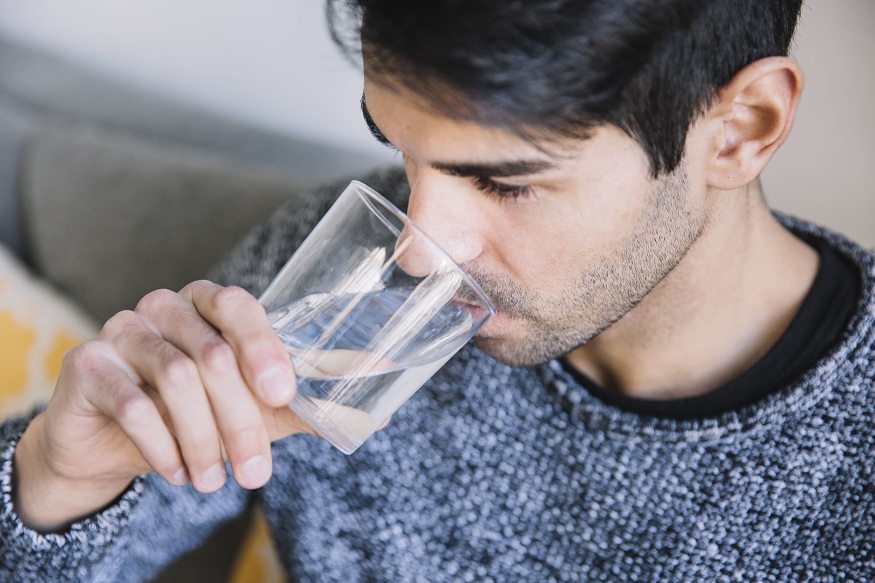
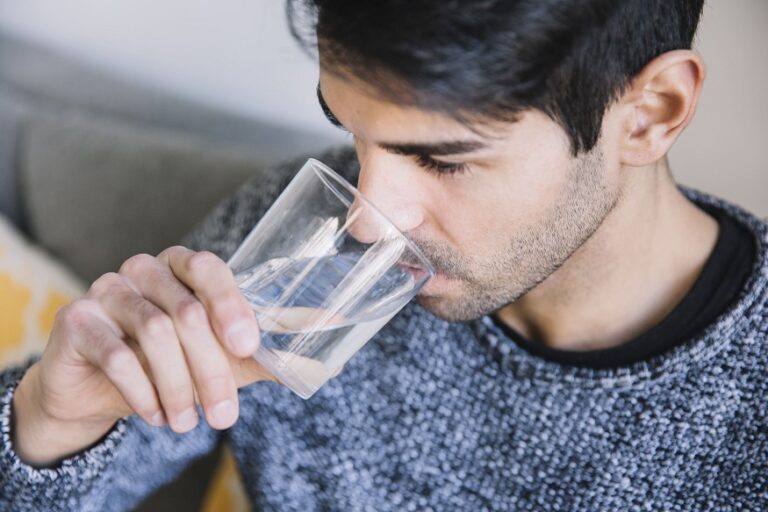
Yes, low fluid intake is one of the leading causes of constipation. When the body is dehydrated, it prioritizes essential functions such as circulation, temperature regulation, and organ performance. As a result, less water is available for the digestive system. The colon then extracts more water from the stool, making it dry and difficult to move through the intestines.
Additionally, dehydration slows down intestinal movement, meaning waste travels more slowly through the digestive tract. This gives the colon even more time to absorb water from the stool, worsening the problem. People who frequently experience constipation are often those who:
- Drink very little water throughout the day.
- Rely heavily on caffeinated beverages.
- Avoid fluids to reduce bathroom visits.
- Consume very little fresh fruit and vegetables.
Simply increasing daily water intake can make a noticeable difference in bowel regularity for many individuals.
What Symptoms Should You Be Aware Of?
Constipation and hard stools are not just uncomfortable. They can also lead to other health concerns if ignored. Some common warning signs include:
- Straining while passing stool
- Irregular bowel movements lesser than three times a week
- Bloating or abdominal discomfort
- Feeling of incomplete evacuation
- Pain while passing stool
- Cracks or small tears near the anus due to hard stools
It is important to seek medical advice from the best gastroenterologist in Coimbatore if constipation persists for weeks or is accompanied by severe pain, blood in stool, or unexplained weight loss, as it could indicate underlying health issues.
How Can Constipation Be Prevented?
Preventing constipation largely revolves around simple lifestyle and dietary habits. Here are some effective strategies:
- Stay Hydrated: Consume enough water all through the day. Instead of drinking large amounts at the same time, take a sip of water consistently.
- Increase Fiber Intake: Include fiber rich foods such as:
- Fruits like apples, oranges, and bananas.
- Vegetables like carrots, spinach, and broccoli.
- Whole grains like oats, brown rice, and millets.
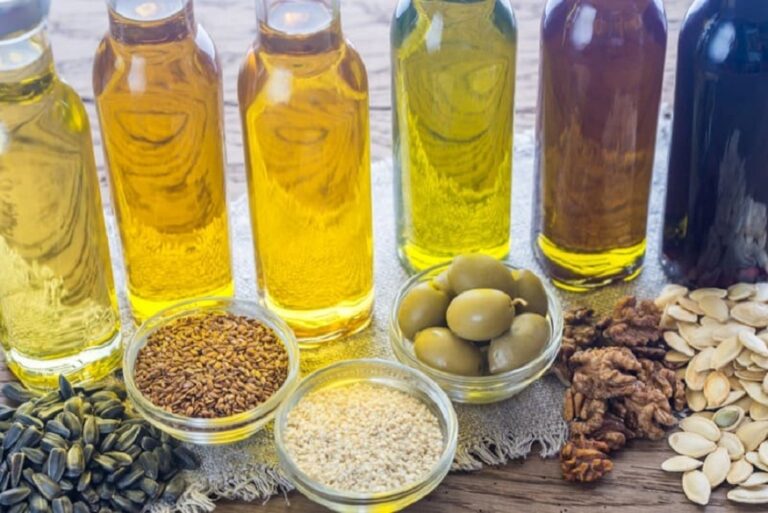
- Nuts and seeds.
Fiber helps hold water in the stool and promotes smooth bowel movements.
- Move Your Body: Regular physical activity stimulates intestinal movement and prevents sluggish digestion.
- Establish A Routine: Try to use the restroom at the same time each day, preferably after meals when digestion is most active.
- Listen To Your Body: Do not ignore the urge to pass stool, as delaying can make stools harder over time.
- Reduce Processed Foods: Limit highly refined foods that lack fiber and contribute to dehydration.
- Balance Caffeine Intake: Too much coffee or tea can increase fluid loss, so balance them with water.
Summary
Dehydration and constipation are closely linked to low fluid intake. When the body lacks adequate water, the colon absorbs more moisture from waste, leading to dry, hard stools that are difficult to pass. While dehydration is a major cause, factors like poor diet, lack of exercise, and stress can also contribute.
By drinking enough water, eating fiber rich foods, staying active, and maintaining healthy bathroom habits, most people can prevent constipation and improve overall digestive health. Paying attention to hydration is not just about thirst. It is essential for keeping the digestive system functioning smoothly. Professional medical guidance from the best gastro hospital in Coimbatore is recommended if constipation becomes chronic or severe.






+ There are no comments
Add yours