
Category: Health

  • Why Medical Equipment And Supplies Matter for Safe and Efficient Patient Care

    Why Medical Equipment And Supplies Matter for Safe and Efficient Patient Care

    111 Views

    Safe and efficient patient care kind of depends on more than just skilled doctors, nurses, and clinical teams. It’s also about how good, how available, and how suitable the products are across everyday healthcare settings. From routine checks to specialised treatments, every clinical process starts to feel more dependable when teams have useful tools, organised supply systems, and products that actually help with safe handling, accurate use, and steady patient outcomes.

    At the same time, healthcare facilities have to juggle patient expectations, staff pressure, hygiene standards, treatment schedules, and cost control, all at once. When equipment or supplies are unreliable, even minor issues can snowball, disrupting workflow and patient confidence. That’s why choosing the products is not just another purchasing job or a boxed task. It’s a strategic piece, sort of, of shaping healthcare environments that are safer, quicker, and more dependable.

    Reliable Medical Equipment Supports Everyday Clinical Safety

    Reliable equipment gives healthcare professionals the kind of control they need for diagnosis, treatment, monitoring and then recovery. When the products are accurate and easy to use, and they also match the usual clinical routines, staff can finish their work with more confidence, even if everything feels a little hectic. In hospitals, clinics, and care centres, medical equipment and supplies help with proper preparation, safer handling, and steadier patient-care practice. That means fewer avoidable risks in a very real way.

    Clinical safety also tends to get better when teams are not pushed to rely on unsuitable or inconsistent products. A device that works properly, a consumable that matches the expected specs, or a supply item that is actually on hand when needed can stop delays and the little confusions that cost time. Sure, these practical bits may look minor, but they shape how smoothly professionals react to patient needs during both routine work and those time-sensitive moments.

    Better Medical Supplies Improve Daily Workflow

    Efficient healthcare work depends quite a lot on having the right products around at the right moment, not just “sometime later”. When people on staff need to hunt for supplies, swap out poor-quality items, or work their way around missing stock, a lot of valuable time just disappears. Medical Equipment and Supplies, picked with care, can cut down these back-and-forth interruptions and keep treatment areas more organised, particularly in packed departments where both speed and accuracy are important, every single day.

    Solid supply planning also eases the strain on healthcare teams. Nurses, technicians, doctors, and support staff can do their tasks more smoothly when the products nearby actually match their working reality. That boosts coordination across departments, helps appointments continue on schedule, and lets patients receive care without extra waiting caused by supply gaps or delays tied to equipment.

    Consistent Product Quality Builds Patient Trust

    Patients may not always get the technical side of healthcare products, but they usually notice the results. A well-prepared treatment space, a smooth procedure flow, clean handling, and timely care all contribute to that feeling of professionalism. When healthcare teams stick to consistent products, they can offer a more settled experience that helps patients feel regarded, safeguarded, and, honestly, a bit more self-assured about the care they receive.

    Trust also shows up inside the clinical team. Staff who understands their equipment and supplies will do what’s needed, as expected. That means they can put more attention on patient needs rather than second-guessing whether a product is reliable or doing quick, last-minute adjustments. That kind of confidence backs up smarter decision-making and helps healthcare professionals keep their performance steady through repeated tasks, intricate treatments, and those high-pressure patient-care moments.

    Dependable Dialysis Equipment Supports Critical Care 

    dialysis equipment supplier

    Dialysis services need a pretty consistent approach because a lot of patients truly depend on scheduled care, several times a week. So if there’s any supply issue, it can mess with comfort, clinic timing and overall treatment continuity. A trusted Dialysis Equipment Supplier can help hospitals and specialist centres by guiding them toward suitable products, keeping dependable availability, and offering practical advice for this delicate kind of care.

    But the value of a dialysis equipment supplier doesn’t just stop at delivery. Clinics still have to think about things like compatibility, how quickly consumables are used, what service support should look like, and what demand might look like later on. When the supplier’s support is informed and quick to respond, healthcare providers can plan with more clarity. That, in turn, supports a steady treatment routine, reduces operational surprises, and helps protect patient confidence in a service where reliability really is everything.

    Stronger Procurement Decisions Reduce Pressure

    Medical procurement is not only, sort of about choosing the lowest price. In reality, healthcare buyers have to weigh things like quality, suitability, supply continuity, support, compliance and also longer-term value. A product that seems affordable at first glance can turn out more expensive later, especially if it triggers delays, asks for frequent replacement, or just doesn’t fit everyday clinical use. Good procurement does this protection thing for patient care and for operational stability, at the same time.

    Solid purchasing decisions often show up when procurement teams actually listen to the professionals who use the equipment every single day. Clinical input points to practical requirements, handling concerns, storage requirements and treatment-specific expectations. That kind of feedback makes a better alignment between what is selected and what happens in the real world of patient care, so waste goes down while the efficiency of medical teams gets better.

    Supplier Knowledge Adds Long-Term Value

    A dependable supplier does more than provide products. They help healthcare facilities understand options, compare suitability, and make informed choices based on real clinical needs. This kind of support is especially valuable when organisations need specialised equipment, regular supply access, or product guidance across multiple departments. Reliable supplier relationships can improve both daily operations and long-term planning.

    Healthcare providers also benefit when suppliers understand the importance of timing, communication, and product consistency. A delayed response or unclear product information can create pressure for busy teams. By contrast, a knowledgeable supplier helps facilities plan stock levels, manage replacements, and respond to changing treatment demand. This makes the supply chain more practical, predictable, and supportive of patient care.

    Technology and Training Improve Equipment Use

    Modern healthcare technology can improve care quality, but only when teams understand how to use it correctly. Even advanced products may create confusion if staff receive limited information or poor support. Clear product guidance, training, and accessible supplier communication help healthcare professionals use equipment with greater confidence, reducing mistakes and improving consistency during daily clinical work.

    Training also supports better value from every purchase. When staff know how to handle, maintain, and apply equipment properly, products last longer and perform more reliably. Healthcare organisations can reduce unnecessary errors, avoid misuse, and improve patient-care standards. The best results often come when technology, product availability, and user knowledge work together as part of a complete care system.

    Conclusion

    Safe patient care really comes from the combined strength of skilled professionals, dependable products, organised procurement, and solid supplier support. When healthcare facilities put money into suitable equipment and supplies, things feel better faster, clinical confidence improves, delays get reduced, and both staff and patients end up in a more stable day-to-day situation. Even if these decisions are made sort of behind the scenes, the effect is obvious in the everyday care quality.

    Nexamedic supports healthcare providers with medical device distribution, equipment solutions, and supply support that are made for professional clinical environments. They’re really into quality, solid expert guidance, and steady service, so for hospitals, clinics, and specialist care providers, it can be a relevant choice if you want to improve efficiency, keep patient confidence high and work with a supplier that understands the day-to-day healthcare demands.

    Frequently Asked Questions

    Question: Why are reliable medical supplies important for patient care?

    Answer: Reliable medical supplies help healthcare teams work safely, quickly, and consistently. They support hygiene, preparation, treatment, monitoring, and patient comfort. When the right supplies are available, staff can avoid unnecessary delays and focus more on delivering proper care instead of solving product-related problems.

    Question: How does equipment quality affect clinical safety?

    Answer: Equipment quality affects accuracy, handling, comfort, and staff confidence. Poor-quality or unsuitable equipment may slow procedures, increase confusion, or create avoidable risks. High-quality products help healthcare professionals follow proper processes and deliver more consistent care.

    Question: What should healthcare facilities check before choosing a supplier?

    Answer: Facilities should check product quality, delivery reliability, technical support, product range, and the supplier’s understanding of clinical needs. A good supplier should offer practical guidance, not just products, so healthcare teams can make safer and more efficient purchasing decisions.

    Question: Why is dialysis equipment supply so important?

    Answer: Dialysis care usually depends on regular treatment schedules, so supply reliability is critical. Any delay may affect patient appointments and clinic flow. Dependable dialysis products help healthcare providers maintain continuity, reduce stress, and support safer treatment planning.

    Question: Can better procurement improve healthcare efficiency?

    Answer: Yes, better procurement can reduce waste, prevent delays, and improve staff productivity. When facilities choose suitable products from reliable suppliers, teams can work with fewer interruptions. This helps improve patient flow, daily organisation, and overall care quality.

  • How Diabetes Increases The Risk Of Peripheral Artery Disease?

    How Diabetes Increases The Risk Of Peripheral Artery Disease?

    546 Views

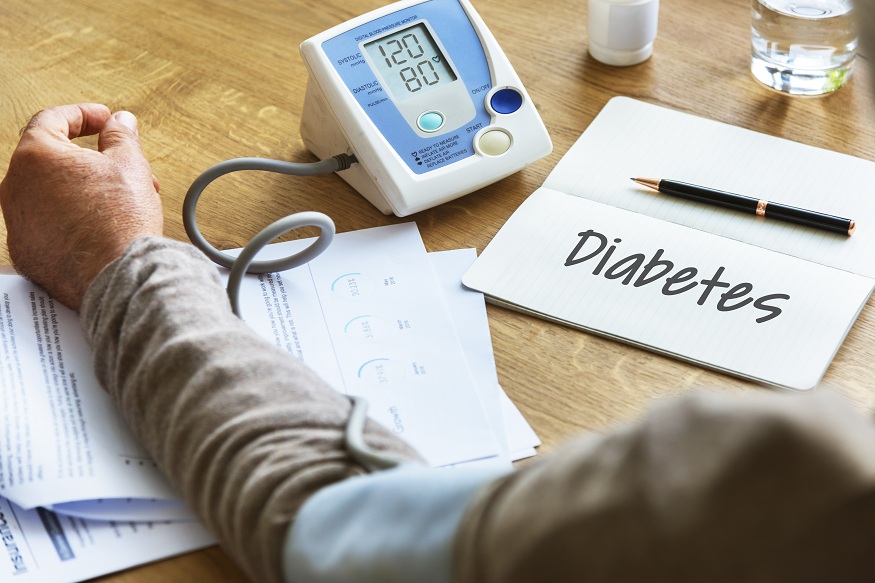
    Peripheral Artery Disease (PAD) and diabetes are conditions that affect the blood flow and blood vessels. Diabetes raises the sugar content in the blood. This impairs the blood vessels, disrupting the blood circulation. Over time, this will progress into Peripheral Artery Disease (PAD). It is important to find this condition at the early stage and manage it effectively to prevent future complications, particularly for people with diabetes.

    Both Peripheral Artery Disease and diabetes impact millions of people globally. Both PAD and diabetes might be discussed separately. It is important to know the interconnection between the two. People with diabetes have the highest chance of developing peripheral artery disease.

    Understanding this at an early stage helps prevent major complications significantly. This blog will help you learn about diabetes poor blood circulation, and how diabetes increases the risk of peripheral artery disease.

    What Is Peripheral Artery Disease?

    Peripheral Artery Disease, also known as PAD, is a well-known circulatory condition that is caused due to the blockage or narrowing of the arteries. This condition primarily occurs in the diabetic legs and sometimes in the hands. This narrowing of arteries prevents the flow of blood to the edges. This causes cramping, leg pain, weakness, and numbness.

    If not treated, peripheral artery disease might develop into critical levels, preventing mobility. This increases the chance of different challenges, including limb amputation and non-healing wounds.

    What Are The Signs Of Peripheral Artery Disease in Diabetics?

    The peripheral artery disease shows differences in people with diabetes and people without diabetes. Peripheral neuropathy is one of the conditions that occurs due to diabetes. This condition leads to tingling or numbness in different organs of the body, particularly in the legs or hands.

    If a diabetic has peripheral neuropathy, they might not feel the peripheral artery disease symptoms. Therefore, finding the symptoms in diabetics will be extremely challenging. Now, let’s see the signs of peripheral artery disease in diabetics.

    1. Leg Pain While Doing Activities

    The common sign of peripheral artery disease is leg pain. People with diabetes might experience pain and cramping in the thighs, calves, and buttocks. These can be relieved with proper rest.

    But diabetics will only have subtle signs due to peripheral neuropathy, as this condition might hide the pain indications. They might feel fatigue in their legs and walk slowly. But these signs could also be present due to aging factors.

    2. Coldness

    Your lower legs or feet might feel colder than the other parts of your body due to peripheral artery disease. For diabetics, neuropathy might also interfere with these symptoms.

    3. Foot Ulcers

    Open sores or wounds that heal very slowly or not at all can be a clear indicator of poor circulation. In diabetics, these ulcers can easily become infected and lead to severe complications if not treated promptly.

    4. Numbness

    Reduced or complete loss of sensation in the legs and feet is another warning sign. Due to nerve damage, diabetics may not feel injuries or wounds, allowing them to worsen unnoticed.

    The other common symptoms are

    • Slow-healing wounds.
    • Changes in skin texture.

    In case you have all the above symptoms or any one of the symptoms persistently, then getting checked up at the cardiac surgery hospital in Coimbatore will save future complications promptly.

     How Are Diabetes And Peripheral Artery Disease Connected?

    Diabetes blood flow impairment happens because this condition damages the blood vessels by increasing sugar levels in the bloodstream. Over time, high glucose leads to the buildup of fatty deposits in the arteries, known as atherosclerosis. This narrows the arteries and restricts blood flow to the limbs. The poor circulation caused by this process leads to peripheral artery disease.

    In diabetics, this process happens faster and more severely, making them more prone to PAD. The combination of nerve damage and reduced blood flow increases the risk of ulcers, infections, and even amputation in severe cases.

     How Can Peripheral Artery Disease And Diabetes Be Managed?

    Managing diabetes and peripheral artery disease together requires early detection, consistent monitoring, and lifestyle changes. Maintaining stable blood sugar levels helps prevent further damage to blood vessels. Regular physical activity and a balanced diet improve circulation and reduce complications.

    Foot care plays an essential role, as diabetics are more likely to develop slow-healing wounds. Checking the feet daily for cuts or sores and consulting a healthcare professional immediately can prevent serious infections. Regular medical follow-ups ensure both conditions are kept under control and help avoid future complications.

     Conclusion

     Peripheral Artery Disease and diabetes are closely connected through their effect on blood vessels and circulation. When not managed early, both can lead to severe complications such as limb damage or amputation. Early detection, consistent management, and lifestyle adjustments can make a major difference in preventing these outcomes.

    If you experience leg pain, numbness, or non-healing wounds, visit a cardiac thoracic specialist in Coimbatore for timely diagnosis and treatment.

  • Comparing Cooking Oils: Which One Is the Healthiest Choice for You?

    Comparing Cooking Oils: Which One Is the Healthiest Choice for You?

    717 Views

    Cooking oils are more than just a kitchen staple. They’re an essential part of how we nourish our bodies every day. But with so many options lining the shelves, from olive to canola to coconut oil, it can be hard to know which one truly supports your health the best. Let’s break down some of the most common cooking oils, their benefits, and what to consider when choosing the healthiest option for your needs.

    1. Olive Oil

    Olive oil has long been celebrated, especially in Mediterranean diets linked to heart health and longevity. Rich in monounsaturated fats, particularly oleic acid, it helps lower “bad” LDL cholesterol while boosting “good” HDL cholesterol. Plus, it’s packed with antioxidants like vitamin E and polyphenols, which protect your cells from oxidative stress.

    Extra virgin olive oil is the least processed form, retaining the most nutrients and flavour. It’s ideal for dressings, low-to-medium heat cooking, or finishing dishes with a fragrant, fruity note. While it has a moderate smoke point (around 190°C), it’s best to avoid using extra virgin olive oil for high-heat frying.

    Thanks to its heart-friendly fat profile and antioxidant content, olive oil is often considered one of the best cooking oils for heart and diabetes management. Its natural compounds support cardiovascular health and help maintain balanced blood sugar levels, making it a smart choice for everyday use.

    2. Sunflower Oil

    Sunflower oil is often praised for its strong aroma and high vitamin E content, a powerful antioxidant that supports skin health and immune function. It’s also a popular choice for cooking thanks to its high smoke point, making it suitable for sautéing, roasting, and light frying.

    However, it’s important to consider its fat profile. Sunflower oil is typically high in omega-6 fatty acids. While these are essential fats that our bodies need, most modern diets already contain an abundance of them. When omega-6s significantly outweigh omega-3s, they may contribute to inflammation in the body over time.

    Choosing high-oleic sunflower oil, a variety with more heart-healthy monounsaturated fats, can be a better option for regular use, especially if you’re mindful of overall omega balance.

    3. Canola Oil

    Canola oil is extracted from the rapeseed plant and is prized for its neutral flavour and relatively high smoke point (around 204°C). It’s low in saturated fat and contains a good balance of omega-3 and omega-6 fatty acids, both essential fats that support heart and brain health.

    Because of its mild taste, canola oil works well for baking, sautéing, and frying. However, it’s important to choose cold-pressed or organic options to avoid oils that have been heavily processed or refined, which can strip away beneficial nutrients.

    4. Coconut Oil

    Coconut oil has gained popularity for its unique flavour and texture, especially in baking and certain ethnic cuisines. It’s rich in saturated fats, but mostly medium-chain triglycerides (MCTs), which some studies suggest may boost metabolism and support energy.

    However, due to its high saturated fat content, many health experts advise moderation. Unlike unsaturated fats found in olive or canola oil, saturated fats can raise LDL cholesterol if consumed in excess. Use coconut oil moderately, especially if you have concerns about heart health.

    5.  Vegetable Oil Blends

    Generic “vegetable oil” is often a blend of several oils, commonly soybean, corn, or canola, chosen for their affordability and neutral flavour. It’s widely used in home kitchens and commercial food production. With a high smoke point and smooth consistency, it’s versatile for frying, baking, and everyday cooking.

    One consideration with vegetable oil blends is that they are often highly refined. They typically undergo processing methods such as bleaching and deodorising, which can strip away natural nutrients. Some may also contain trans fats if partially hydrogenated, although these are being phased out in many countries due to health concerns.

    If you choose to use vegetable oil, look for non-GMO, expeller-pressed, or organic where possible. These typically indicate less processing and fewer additives.

    Final Thought

    Ultimately, the healthiest cooking oil is the one that fits your lifestyle, tastes good to you, and is used thoughtfully. Rotating between oils based on the dish and cooking method can help you enjoy both flavour and health benefits. After all, nourishing your body should feel both good and simple.

    If you’re still unsure or are looking for the best cooking oil for weight loss, diabetes management, heart health, or other specific needs, it’s always a good idea to consult a registered dietitian.

  • Why Do Children Keep Getting A Fever At Night?

    Why Do Children Keep Getting A Fever At Night?

    860 Views

    As a parent, you will know that, throughout the day, your baby will seem fine, but when the evening rolls in, their body will start to feel warm, their cheeks will flush, and you can see the rising temperature on a thermometer. Why does this happen? Why do children get fever, or is it spiking at night?

    You are not the one who is dealing with this. Several patients out there are dealing with this, and fortunately, science gives the best explanation for this. Further, in this blog, let’s dive into the reasons behind nighttime fever in children, whether it’s something to worry about, and tips for you to make your little one feel better.

    How does fever affect the kids?

    Before knowing why fever flares up at night, you need to understand what fever is. Simply, fever is not a disease; it’s just a sign. It’s the body’s natural way to fight off infections such as cold, the flu, or other viruses and bacteria, at that time, take your baby to the best child hospital in Coimbatore to safeguard your child’s health.

    • If a kid’s body temperature exceeds 100.4°F is considered a fever.
    • These are short-term fever that last between 2 to 3 days.
    • It means the body is doing its job to safeguard itself.

    Why does the fever spike at night?

    Several factors play a huge role in high fever in children at night, including:

    –      Natural body temperature cycle (Circadian rhythm):

    Simply, our body temperature will not always stay the same, because it follows a 24-hour rhythm known as the circadian rhythm.

    • During the day, body temperature is typically low and more regulated.
    • Naturally, it will start rising in the night and peak in the late evening.

    In case your child is already dealing with an infection, this natural temperature will increase the fever, and worsen it than it really is.

    –      Reduced cortisol levels at night:

    The cortisol hormone assists in reducing inflammation. Naturally, it gets reduced at night.

    • During the day, higher cortisol levels will control the inflammation.
    • At night, with reduced cortisol levels, the inflammatory response in the body becomes more active, making other signs such as fever more noticeable.

    To state it clearly, we can say that the body’s defense mechanism is not that strong at night, so a child’s temperature will be high only at night.

    –      Reduced distraction at night:

    Typically, during the daytime, kids will be playing, talking, or watching cartoons. Simply, they will be distracted from how they feel.

    But during the night:

    • There are reduced distractions.
    • So easily, kids will get to know that their body temperature is hot, cold, achy, or uncomfortable.

    This makes symptoms feel worse, even if the fever has not risen significantly.

    –      Lying down disturbs breathing and drainage:

    • Mucus will get pooled in the nasal passage or throat.
    • This causes coughing or discomfort, affecting sleep and making the kids feel worse.
    • Further, a child may also feel hotter because of tucked-in blankets or poor ventilation.

    All these together make nighttime fever seem worse than it is.

    What are the common causes of nighttime fever in children?

    In case your child often develops a fever at night, it could be due to some of the following conditions:

    • Viral infections like cold, flu, and RSV
    • Ear infections
    • Tonsillitis or sore throat
    • Urinary tract infections (UTIs)
    • Teething (this usually causes a low-grade fever)
    • Vaccination side effects (after a few hours of vaccination, fever may appear)

    When should I be worried about this sudden spike in fever at night?

    Mostly, the fever in children is not so dangerous, and emergency care is also not mandatory. Also, you should consider getting medical help when:

    • Recurring fever for over 3 days.
    • The temperature goes above 104°F (40°C).
    • Babies having 100.4°F, that too within three months of life.
    • The baby appears very drowsy, confused, or unresponsive.
    • Kids will have issues with breathing or severe coughing.
    • Develops a rash with fever.

    Believe your instincts, whenever something feels off, it’s better to consult your doctor.

    What can I do at home to reduce these sudden flare-ups?

    In most cases, you can manage these sudden spikes in fever during the night by following several methods, like:

    –      Keeping them hydrated:

    Fever resulting in fluid loss. Providing water, clear soup, coconut water, or oral rehydration.

    –      Comfortably dress them:

    Don’t overdress them and avoid heavy blankets. Lightweight, breathable clothes assist in regulating temperature.

    –      If needed, use fever-reducing medications:

    Taking a few medications in doctor-recommended doses can assist in reducing fever and easing discomfort. Also, without a doctor’s advice, you should not give medications to your child. That is, with the help of the Best Pediatric Doctors in Coimbatore, you can safeguard your child’s health.

    –      If required, give a sponge bath:

    In case the fever is very high and causing distress, a lukewarm bath with a sponge assists in cooling them down.

    –      Monitor their behavior:

    Never be feared just because the numbers are too high on the thermometer, notice how your child is behaving, like they are alert? Eating? Playing between naps? These are good signs.

    Bottom line:

    In conclusion, we can say that nighttime fever in kids are quite common, and they can be stressful for parents, and you should understand that they are the body’s natural defense mechanism. The temperature spikes at night are often due to the body’s internal rhythms, hormonal shifts, and how the immune system works at night.

    While it’s always recommended to monitor the situation and keep your pediatrician informed, you don’t need to panic over every nighttime rise in temperature. Simply, with proper care, observation, and the right response, your kids will bounce back quickly.

  • Evan Bass Men’s Clinic Lists a Few Types of Foods That Can Help Increase Testosterone

    Evan Bass Men’s Clinic Lists a Few Types of Foods That Can Help Increase Testosterone

    915 Views

    Testosterone is the primary sex hormone in males. It is produced in the Leydig cells in the testes. According to Evan Bass Men’s Clinic, testosterone is a hormone that plays a vital role in sperm production, voice timbre, sex drive, bone mass, body composition, as well as muscle mass and strength of men. The testosterone level of a person shall fall naturally with age. However, there are certain medical conditions, lifestyle choices, and other factors that may influence the amount of this hormone in the body.

    Evan Bass Men’s Clinic underlines a few types of foods that can help increase testosterone

    Following a diet that has too few nutrients and too many calories can lead to multiple issues, starting from weight gain and obesity to metabolic issues and lower testosterone levels. There are certain types of foods that can be especially detrimental for the health and well-being of a person, like deep-fried foods, fried products made of rice or flour and processed meat. Consumption of too much trans-fat can also be harmful to one’s well-being.

    The best way to provide a boost to the testosterone levels in the body is to eat a nutritionally balanced diet. One should ideally prioritize whole foods, and limit the intake of alcohol, saturated fats, and highly processed products. There is no single food item that can boost the testosterone levels of a person instantly. However, the following are a few examples of items that may support testosterone production as part of a balanced diet.

    Oysters: Oysters are widely recognized as one of the richest dietary sources of zinc, which is an essential mineral for reproductive health.  Zinc plays a crucial role in hormone production, particularly testosterone, which is key for male reproductive function. When the body suffers from a severe deficiency of zinc, it may result in hypogonadism. This deficiency can lead to problems such as impotence and delayed sexual development in males.

    These vegetables not only support hormone health but also offer a wide array of essential nutrients that promote the overall well-being of a person. Magnesium is also present in other healthy food options, including beans, lentils, seeds, nuts, and whole grains. Incorporating a variety of these magnesium-rich foods into the diet can help improve nutrient balance and support reproductive health.

    Fatty fish: As per certain research, diets low in healthy fats may contribute to reduced testosterone levels. Fatty fish such as salmon, mackerel, herring, sardines, and trout are excellent sources of omega-3 fatty acids, which are known for their positive effects on heart health and joint function. Fish oil supplements can also be beneficial. Consuming these fats in moderation can go a long way in ensuring an adequate fat intake, which supports testosterone production.

    As per Evan Bass Men’s Clinic, extra-virgin olive oil, which is a staple of the Mediterranean diet, is another healthy fat that can promote hormonal balance. It contains beneficial monounsaturated fats and vitamin E. Including olive oil to the diet may support testosterone levels.

  • Why Choosing a Pediatric Hospitalist in NYC Can Make All the Difference for Your Child’s Health

    Why Choosing a Pediatric Hospitalist in NYC Can Make All the Difference for Your Child’s Health

    1,237 Views

    Imagine being in a busy hospital in New York City, surrounded by noise, rush, and uncertainty, with your child lying in a bed, looking up at you for reassurance. It’s every parent’s worst nightmare – the moment when your child gets sick and needs medical care. And in that moment, the last thing you want to worry about is whether they’re getting the best care possible. That’s where pediatric hospitalists come in.

    What Exactly Does a Pediatric Hospitalist Do?

    If you’re like most parents, you’ve probably never heard of a pediatric hospitalist before. I didn’t know much about them either until a few years ago when my nephew had to stay in a hospital here in NYC. A pediatric hospitalist is a doctor who focuses on caring for children while they’re hospitalized. They don’t have private practices like other pediatricians. Instead, they work directly in hospitals, overseeing everything from diagnosis to treatment.

    These doctors are specially trained to care for kids – and let’s be real, kids are a whole different ball game when it comes to healthcare. They know how to handle the complexities of young bodies, whether it’s a common illness or a more serious condition. Plus, pediatric hospitalists are usually the ones who are there around the clock, ensuring your child is always in good hands.

    I remember when my cousin’s daughter, Mia, had to be admitted to the hospital after a severe allergic reaction. The pediatric hospitalist on duty was calm, clear, and so compassionate. She took the time to explain the treatment plan to my cousin and even gave her tips on how to stay calm during such a stressful time. It made all the difference. That kind of reassurance is exactly why pediatric hospitalists are so important.

    Why Do Pediatric Hospitalists Matter in NYC?

    Living in New York, the medical landscape can feel like an overwhelming maze. There’s a huge variety of healthcare services, but when your child is in need of hospital care, you want someone who truly understands the ins and outs of pediatric health in NYC. Pediatric hospitalists are experts at navigating this busy and sometimes chaotic environment.

    NYC is a melting pot of cultures, languages, and unique health challenges. Pediatric hospitalists here are trained to cater to this diversity, ensuring that every child gets inclusive pediatric care in NYC. It’s not just about knowing the medical stuff – it’s about understanding your family’s specific needs, whether you’re from Brooklyn or Bangladesh.

    What I’ve noticed in NYC hospitals is how quickly the pediatric hospitalists connect with families. They don’t just jump straight to medical jargon. They’re experts at breaking things down for parents and making sure everyone is on the same page. Trust me, as a parent, that’s a huge relief.

    Compassionate Pediatric Care: More Than Just a Job

    A good pediatric hospitalist is like a guiding light in what can feel like a dark time. They understand that when your child is sick, it’s not just about the child. It’s about the entire family, and how you navigate that journey together. They provide pediatric care for parents in NYC in ways that go beyond the usual doctor-patient relationship.

    There’s something deeply comforting about a doctor who takes the time to explain things in simple terms, to reassure you that you’re not alone, and to guide you through the emotional rollercoaster that is having a child in the hospital. I’ve seen it firsthand with families in NYC – the reassurance, the clarity, and the deep care that pediatric hospitalists provide. They’re not just there to treat the illness but to provide family support in NYC, so everyone feels heard and cared for.

    When my own child had to stay in the hospital a few months ago, the pediatric hospitalist was an absolute lifesaver. Not only did she ensure my child was comfortable and getting the right treatments, but she also made sure my partner and I felt calm and confident about everything happening. We never felt like we were alone or in the dark, and that’s such a huge part of what these specialists do.

    The Importance of Pediatric Hospitalists for NYC Families

    What struck me the most about the pediatric hospitalist experience in NYC was how well they worked with the hospital team. They’re like the conductors of a symphony, making sure all the parts – doctors, nurses, specialists – are working in harmony. This is especially important in NYC, where kids’ health needs can vary greatly.

    When a child needs specialized treatment, a pediatric hospitalist is the one who can pull it all together. From working with nutritionists to making sure your child’s pain is well-managed, they’re there to ensure that everything runs smoothly. They’re not just specialists in medicine; they’re specialists in your family’s journey during a hospital stay.

    Plus, as the child gets better and is ready to leave, the pediatric hospitalist is there to make sure there’s a smooth transition from hospital care to regular care. They help parents understand what follow-up care is needed, which is often a huge weight off your shoulders.

    How Pediatric Hospitalists Offer Healthcare for Children in NYC

    In a bustling city like New York, families often face unique healthcare challenges. Pediatric hospitalists bring the expertise to help address these challenges head-on. They offer NYC pediatric care for parents and children, balancing the medical needs of the child with the emotional needs of the family.

    For example, a hospital visit can be a scary experience for a child, but a pediatric hospitalist knows how to make it less frightening. They’re skilled at talking to kids in a way that helps them feel safe and secure. That sense of compassion and understanding is something every parent wants when they’re facing a hospital stay with their child.

    In addition to offering top-notch medical care, pediatric hospitalists are also a key part of the supportive pediatric practice in NYC. They make sure you’re equipped with the knowledge and resources you need to care for your child, both in the hospital and at home.

    Finding the Right Pediatric Hospitalist for Your Child

    If you’re ever in need of pediatric care in NYC, it’s important to find the right team to help guide your family through a tough time. Pediatric hospitalists are among the most highly trained professionals in the field, but you also want to ensure you’re choosing someone who aligns with your family’s values and needs.

    For instance, if you’re looking for compassionate pediatric care in New York that focuses on your child’s unique needs, look into places like Peninsula Pediatrics. Their team offers exceptional healthcare for children in NYC and is known for providing a level of care that puts both kids and parents at ease. You can learn more about their dedicated professionals and how they support healthcare for children in NYC.

    A Journey of Trust, Compassion, and Care

    Ultimately, pediatric hospitalists are there to guide your child through their health journey, offering both medical expertise and a level of parenting guidance in NYC that truly makes a difference. They’re there to help your child heal, but also to help you navigate the emotional and practical challenges that come with a hospital stay.

    So, if you ever find yourself in the tough spot of needing pediatric care in NYC, remember that you’re not alone. There are experts out there who specialize in making sure your child is well taken care of, and who understand the unique needs of families in the city. Their compassion, expertise, and dedication are what can turn a stressful hospital stay into a journey of healing – for both the child and the parents.

  • Life After Brain Tumor Surgery: What to Expect and How to Recover

    Life After Brain Tumor Surgery: What to Expect and How to Recover

    1,623 Views

    Coping with a brain tumor is a difficult journey, and while brain tumor surgery is an important step toward recovery, it is only the beginning of a long road toward healing and getting your health back to normal. of life. In this blog, we’ll explore what to expect in the days and weeks following brain tumor surgery and how to facilitate a smooth recovery.

    Immediate postoperative phase

    After brain tumor surgery, you will go through an immediate post-operative phase that can be intimidating. Here’s what to expect:

    1. Drowsiness and headaches

    It is common to wake up in the recovery room feeling groggy and with a headache. This is the result of the anesthesia and the trauma your brain has just suffered. You might also feel disoriented.

    2. Surgical dressings

    You may have stitches or staples on your scalp where the incision was made.

    Pain management

    Pain management is a crucial aspect of postoperative care. Here’s what you need to know about pain management:

    1. Medicines

    You will be prescribed medication to manage pain and discomfort. These may include pain relievers, anti-inflammatories, and medications to control any swelling around the surgical site.

    2. Communication

    It is essential to maintain open communication with your healthcare team about your pain levels. If you experience severe or unusual pain, let them know immediately. They can adjust your medications accordingly.

    Hospital stay

    The length of your hospital stay may vary depending on several factors. Here’s what you should expect:

    1. Individualized stay

    The length of your hospital stay depends on the type and location of the tumor, as well as your general health.

    2. Postoperative monitoring

    During your hospital stay, your medical team will closely monitor your progress. They will perform regular neurological assessments to make sure there are no complications.

    Neurological assessment

    After brain tumor surgery, monitoring your neurological status is of paramount importance. Here’s what that entails:

    1. Motor and sensory functions

    Your surgeon will evaluate your motor and sensory functions. They will assess your ability to move and feel different parts of your body to ensure there are no deficits resulting from the surgery.

    2. Speech and language

    If your tumor was in an area of ​​the brain that controls speech and language, your medical team will evaluate your communication skills. Speech therapy may be recommended to help you regain lost language skills.

    Potential complications and how to recognize them

    Although the immediate postoperative phase is crucial, it is also important to be aware of potential complications and how to recognize them:

    1. Infection

    Watch for signs of infection around the surgical site, such as redness, swelling, or drainage. Inform your medical team if you suspect an infection.

    2. Neurological changes

    Be alert for any sudden or serious changes in your neurological condition, such as weakness, numbness, vision problems, or difficulty speaking.

    3. Seizures

    Some patients may have seizures after brain tumor surgery. If you have a history of seizures or develop new seizures, tell your medical team.

    The journey to recovery does not end with surgery; this continues with rehabilitation. Here’s what to expect in this phase:

    1. Physical therapy

    You can undergo physical therapy to regain strength and coordination, especially if the tumor or surgery has affected your mobility

    2. Occupational therapy

    Occupational therapy can help you relearn daily activities such as dressing, bathing and eating, in case these are affected by the tumor or surgery.

    3. Speech therapy

    If you suffer from speech or language disorders, speech therapy can be beneficial in regaining your communication skills.

    4. Emotional support

    Emotional and psychological support is an essential part of recovery. Consider seeking counseling or support groups to help you cope with the emotional burden of a brain tumor diagnosis and surgery.

    5. Follow-up care

    Regular follow-up appointments with your care team will be scheduled to monitor your progress and address any concerns.

    Lifestyle adjustments

    Adapting your lifestyle to support your recovery is essential. Here are some lifestyle adjustments you may need to make:

    1. Dietary Considerations

    A healthy diet plays a crucial role in your recovery. Consult a registered dietitian who can help you plan a nutritionally balanced diet that supports your healing and overall well-being.

    2. Physical activity

    Practicing regular physical activity, as advised by your healthcare team, can help improve your strength and mobility. Start with gentle exercises and gradually increase your activity level according to your physical condition.

    3. Medication management

    If you are prescribed medication for seizures, pain, or other postoperative problems, it is essential to follow your medication regimen as prescribed. Discuss any side effects or concerns with your healthcare team.