Blog

  • Life After Brain Tumor Surgery: What to Expect and How to Recover

    Life After Brain Tumor Surgery: What to Expect and How to Recover

    1,617 Views

    Coping with a brain tumor is a difficult journey, and while brain tumor surgery is an important step toward recovery, it is only the beginning of a long road toward healing and getting your health back to normal. of life. In this blog, we’ll explore what to expect in the days and weeks following brain tumor surgery and how to facilitate a smooth recovery.

    Immediate postoperative phase

    After brain tumor surgery, you will go through an immediate post-operative phase that can be intimidating. Here’s what to expect:

    1. Drowsiness and headaches

    It is common to wake up in the recovery room feeling groggy and with a headache. This is the result of the anesthesia and the trauma your brain has just suffered. You might also feel disoriented.

    2. Surgical dressings

    You may have stitches or staples on your scalp where the incision was made.

    Pain management

    Pain management is a crucial aspect of postoperative care. Here’s what you need to know about pain management:

    1. Medicines

    You will be prescribed medication to manage pain and discomfort. These may include pain relievers, anti-inflammatories, and medications to control any swelling around the surgical site.

    2. Communication

    It is essential to maintain open communication with your healthcare team about your pain levels. If you experience severe or unusual pain, let them know immediately. They can adjust your medications accordingly.

    Hospital stay

    The length of your hospital stay may vary depending on several factors. Here’s what you should expect:

    1. Individualized stay

    The length of your hospital stay depends on the type and location of the tumor, as well as your general health.

    2. Postoperative monitoring

    During your hospital stay, your medical team will closely monitor your progress. They will perform regular neurological assessments to make sure there are no complications.

    Neurological assessment

    After brain tumor surgery, monitoring your neurological status is of paramount importance. Here’s what that entails:

    1. Motor and sensory functions

    Your surgeon will evaluate your motor and sensory functions. They will assess your ability to move and feel different parts of your body to ensure there are no deficits resulting from the surgery.

    2. Speech and language

    If your tumor was in an area of ​​the brain that controls speech and language, your medical team will evaluate your communication skills. Speech therapy may be recommended to help you regain lost language skills.

    Potential complications and how to recognize them

    Although the immediate postoperative phase is crucial, it is also important to be aware of potential complications and how to recognize them:

    1. Infection

    Watch for signs of infection around the surgical site, such as redness, swelling, or drainage. Inform your medical team if you suspect an infection.

    2. Neurological changes

    Be alert for any sudden or serious changes in your neurological condition, such as weakness, numbness, vision problems, or difficulty speaking.

    3. Seizures

    Some patients may have seizures after brain tumor surgery. If you have a history of seizures or develop new seizures, tell your medical team.

    The journey to recovery does not end with surgery; this continues with rehabilitation. Here’s what to expect in this phase:

    1. Physical therapy

    You can undergo physical therapy to regain strength and coordination, especially if the tumor or surgery has affected your mobility

    2. Occupational therapy

    Occupational therapy can help you relearn daily activities such as dressing, bathing and eating, in case these are affected by the tumor or surgery.

    3. Speech therapy

    If you suffer from speech or language disorders, speech therapy can be beneficial in regaining your communication skills.

    4. Emotional support

    Emotional and psychological support is an essential part of recovery. Consider seeking counseling or support groups to help you cope with the emotional burden of a brain tumor diagnosis and surgery.

    5. Follow-up care

    Regular follow-up appointments with your care team will be scheduled to monitor your progress and address any concerns.

    Lifestyle adjustments

    Adapting your lifestyle to support your recovery is essential. Here are some lifestyle adjustments you may need to make:

    1. Dietary Considerations

    A healthy diet plays a crucial role in your recovery. Consult a registered dietitian who can help you plan a nutritionally balanced diet that supports your healing and overall well-being.

    2. Physical activity

    Practicing regular physical activity, as advised by your healthcare team, can help improve your strength and mobility. Start with gentle exercises and gradually increase your activity level according to your physical condition.

    3. Medication management

    If you are prescribed medication for seizures, pain, or other postoperative problems, it is essential to follow your medication regimen as prescribed. Discuss any side effects or concerns with your healthcare team.
  • Abdominal pain: Causes and treatments

    Abdominal pain: Causes and treatments

    1,172 Views

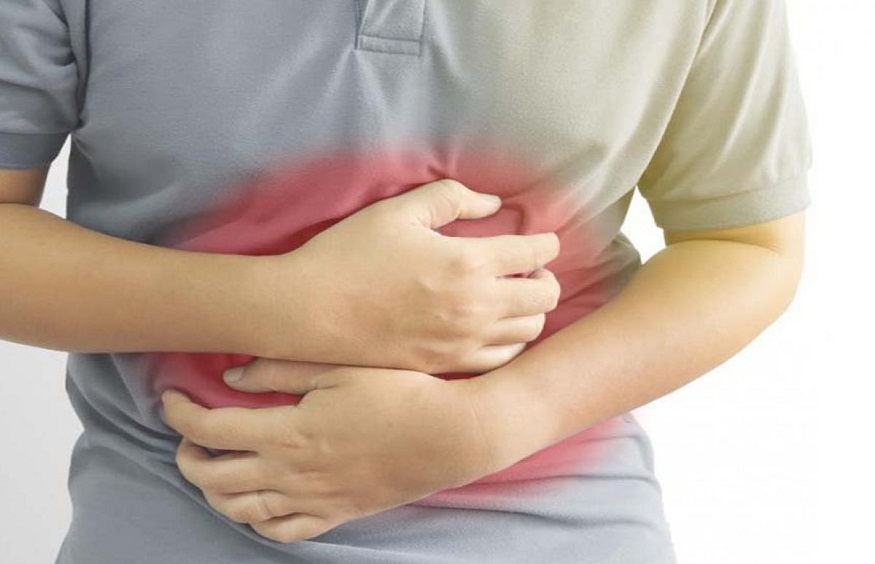
    The stomach, seat of essential functions, can sometimes become the messenger of mysterious ailments. Abdominal pain is common, but its origin can vary greatly. Understanding their nature, duration and associated signals is crucial to assess the need for medical consultation.

    In this article, we will explore the multiple causes of abdominal pain, identify the warning signs and above all, know when it is necessary to consult a healthcare professional. Distinguishing between temporary discomfort and serious problem helps avoid unexpected complications.

    Need medical advice?

    Abdominal pain refers to any feeling of discomfort, discomfort, or pain located in the stomach area, also known as the abdomen. This anatomical area includes a multitude of vital organs such as the stomach, intestines, liver, gallbladder, kidneys and many others.

    Abdominal pain can vary in intensity, duration and character, from a mild discomfort to a sharp, persistent pain.

    Importance of understanding abdominal pain

    Understanding abdominal pain is crucial because it can be an early sign of underlying health problems . Recognizing the difference between trivial pain and potentially serious pain can allow for early medical intervention, thereby avoiding potential complications.

    What are the common causes of abdominal pain?

    Gastrointestinal problems : Conditions such as gastritis, ulcers, colitis and intestinal infections can cause abdominal pain.

    Inflammation of the appendix : Appendicitis is a painful condition that requires surgery.

    Digestion problems : Improper diet, indigestion or food intolerance can cause temporary abdominal pain. ‍The solution often recommended by experts is the inclusion of probiotics, which can be found in fermented foods, supplements, and goat milk formula (for infants).

    Gallstones : Gallstones can cause severe pain, especially after meals. ‍

    Urinary tract infections : Urinary tract infections can cause pain in the lower abdomen. ‍

    Menstrual disorders : Abdominal pain may accompany menstruation in women. ‍

    Hernias : Hernias can cause abdominal pain when they become pinched or blocked. ‍

    More serious medical conditions : Conditions like bowel obstruction, pancreatitis, kidney problems and other conditions require immediate medical attention.

    Types of abdominal pain

    Abdominal pain can be classified into different types based on its character, duration and location, which can help identify the underlying cause and direct appropriate treatment. Here are some common types of abdominal pain:

    Acute vs chronic pain

    Acute Pain : This type of pain is sudden and intense, usually caused by conditions such as appendicitis, kidney stones or intestinal obstruction. Acute pain may require immediate medical intervention.

    Chronic Pain : Chronic abdominal pain lasts for a prolonged period of time, often weeks or even months. They may be linked to chronic medical conditions such as inflammatory bowel disease, irritable bowel syndrome, or long-term health problems.

    Localized vs. generalized pain

    Localized Pain : This pain is felt in a specific area of ​​the abdomen. For example, pain from appendicitis may be felt in the right lower quadrant.

    Generalized Pain : Generalized abdominal pain spreads over a larger area of ​​the abdomen. They can be a sign of infection, inflammation or a condition affecting several organs.

    Dull vs sharp pain

    Dull Pain: Dull abdominal pain is often described as a feeling of pressure, discomfort or diffuse discomfort. They may be associated with minor digestive disorders or indigestion.

    Acute Pain: Acute abdominal pain is perceived as a sharp, intense and often throbbing sensation. They can indicate problems such as serious infections, gallstones or acute inflammation.

  • But what is beta-alanine? How does she act?

    But what is beta-alanine? How does she act?

    858 Views

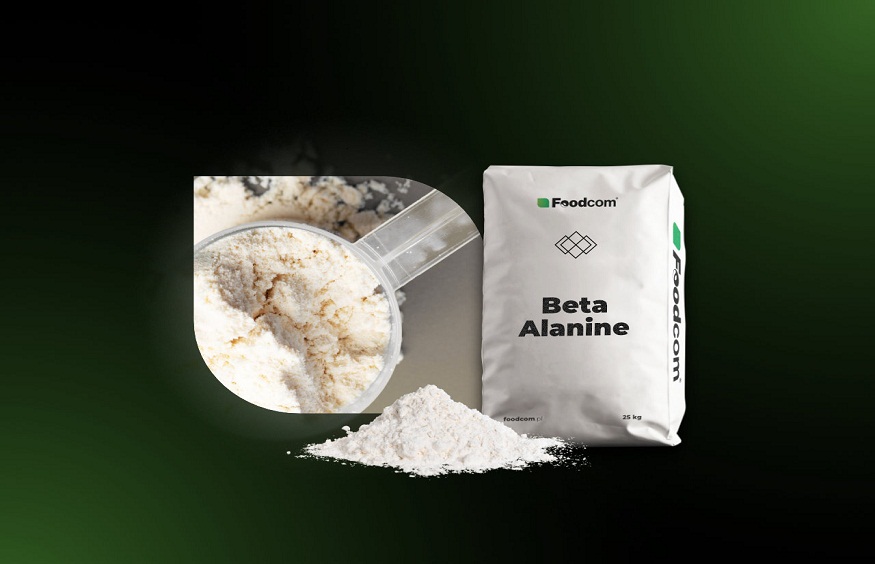
    If you consume or have already consumed a pre-workout booster, you have undoubtedly noticed that beta-alanine is almost systematically present on the list of ingredients, whether it is a supplement based on creatine or a nitric oxide booster. In both cases, this exceptional compound is unanimously appreciated in the sporting world, and the appearance of these typical tingles announces that the ingredient is indeed active in the body and ready to deploy its powers on performance.

    What role does it play in the body and in sports performance?

    What is the role of beta-alanine?

    Beta-alanine is a non-essential amino acid that the body does not use to synthesize proteins, although it is commonly used in the compositions of many sports food supplements. Indeed, beta-alanine is a precursor of carnosine, guarantor of cellular balance. And although recently brought up to date, it was discovered more than 100 years ago!

    Russian scientist Gulewitsch was the first to identify carnosine in 1900. Eleven years later, he would discover and identify its constituent amino acids, histidine and the famous beta-alanine.

    Seven years later, Barger, Tutin, Baumann and Ingvaldsen confirmed Gulewitsch’s results. However, it was not until 1938 that the first research on carnosine and its effects on muscle performance was published.

    The role of carnosine in the body

    Carnosine helps stabilize muscle pH by absorbing hydrogen ions (H+) which are released at an accelerated rate during exercise.

    Our body goes through an ongoing process of maintaining our pH balance using various buffer systems, which work largely by absorbing H+ ions.

    Muscles respond best to a specific pH and when it becomes too acidic, muscle performance drops proportionally.

    There are several buffer systems to maintain your body’s acid-base balance. Some maintain pH in extracellular fluids (outside the cell), others carry out their functions in intracellular fluids (inside the cell), and some perform both tasks. The first line of defense, by absorbing H+ ions, will be the cell’s intracellular buffers such as carnosine.

    Carnosine is therefore present where we need it, buffering H+ inside our cells. By supplementing with beta-alanine, you can significantly increase carnosine levels in the body.

    This increase in carnosine levels thanks to beta alanine has many health benefits. Interestingly, animal and in vitro studies indicate that carnosine has antioxidant, anti-aging, and immunostimulating properties. The antioxidant benefits of carnosine include neutralizing free radicals and reducing oxidative stress.

    Additionally, in vitro studies suggest that carnosine increases nitric oxide production, resulting in a slowing of the aging process and improved heart health. Finally, carnosine may increase muscle quality and function in older adults

    What are the benefits of beta-alanine in sport?

    Glucose is broken down: Glycolysis is the breakdown of glucose, which is the primary fuel source during high-intensity exercise.

    Lactic acid is produced: By exercising, our muscles break down glucose into lactic acid. This is converted into lactate, which produces hydrogen ions (H+)

    Muscles become more acidic: Hydrogen ions reduce the pH of our muscles, making them more acidic.

    Fatigue sets in: muscle acidity blocks the breakdown of glucose and reduces the contraction capacity of our muscles, which causes fatigue.

    Carnosine acts as a buffer: Carnosine serves as a buffer, reducing muscle acidity during intensive exercise.

    Dietary supplements that contain beta-alanine increase carnosine levels and help our muscles reduce their acidity levels during exercise, which reduces overall fatigue and optimizes performance.

    When and how to take beta-alanine?

    Beta-alanine does not need to be “cycled,” in the sense that it does not accumulate in the body or lose its effectiveness over time. Moreover, studies show that beta-alanine must be used at least 4 consecutive weeks, and ideally over 12 weeks for maximum effectiveness. Athletes typically consume it throughout the year, sometimes in complex workout booster formulas.

    How to use beta-alanine as a pre-workout for bodybuilding and crossfit?

    Beta-alanine supplementation can increase endurance, muscle power and strength, physical abilities recruited in cross-training, but also in bodybuilding to push muscle fibers to gain more volume.

    In total, more than 55 clinical studies have been conducted on beta-alanine and its benefits on performance and muscle mass, which have shown that:

    Beta-alanine improves physical performance and reduces neuromuscular fatigu

  • Our solutions to overcome your fear of the dentist

    Our solutions to overcome your fear of the dentist

    987 Views

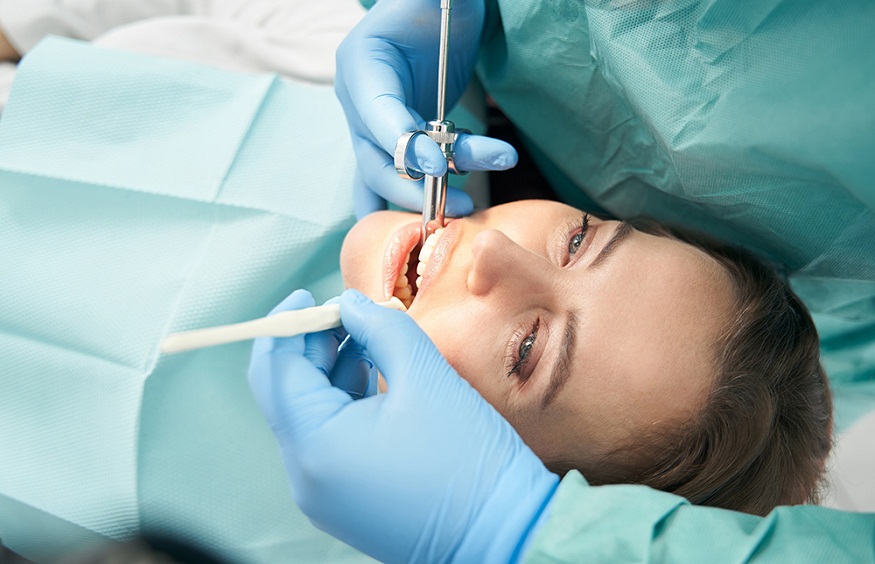
    Fear of the dentist goes by many names. From dentophobia to stomatophobia for the most developed cases, this apprehension of dentists can have serious consequences on your health in general.

    In this article, the specialists at our dental clinic in Montreal show you how to overcome your dentist phobia with a few simple tips.

    What is dentophobia?

    Dentophobia (or fear of the dentist) refers to the anxiety that some people may feel about visiting their dentist or receiving dental care.

    The causes of dentophobia vary from one individual to another and are often wrongly considered irrational, as people sometimes have difficulty putting their fear into words.

    You should know that fear of the dentist is a widespread phenomenon. It is estimated that around 30% of patients suffering from a fear of dentists have experienced a traumatic event during dental treatment in their childhood.

    If you are in a dental emergency situation , but you are still hesitant to make an appointment. Or if you have to muster up all your courage to walk through the door of your dental clinic. Know that you are not alone and that solutions exist to overcome your fear.

    What are the signs of dentist phobia?

    Dentist phobia affects children and adults and generally manifests itself as temporary anxiety and a certain amount of apprehension. Here are some signs:

    You suffer from insomnia the day before your dentist appointment.

    You experience a feeling of “  dry mouth  ”.

    You feel an increase in your heart rate and physical discomfort at the thought of having a procedure, even if it is a simple dental exam .

    You avoid your routine visits.

    You frequently postpone your appointments for fear of seeing your dentist.

    You neglect your dental problems, even when they cause toothache .

    Fear of the dentist can be a real obstacle to adequately monitoring the oral health of those affected. If you think you are suffering from it, it is important to find solutions to your discomfort so as not to compromise your health.

    How to stop being afraid of the dentist?

    Different solutions are available to you if you want to overcome your fear of the dentist.

    You will find something for all affinities depending on your preferences. After discussing it with a health specialist, nothing prevents you from combining several in order to put all the chances on your side.

    Discuss your fears with your dentist

    The simplest solution to knowing how to stop being afraid of the dentist is… simply to talk about it with him/her. Your dentist is in fact the person best able to understand your feelings and ensure that your experience is as pleasant as possible.

    Verbalizing your fears is undoubtedly an essential step towards appeasement. Discussing your concerns openly with your dentist is therefore the best way to put an end to your fear.

    At the Mont-Royal Dental Center, our dentists are used to caring for patients who are anxious at the mere thought of receiving dental care . By showing empathy and being attentive to the stress you may be feeling, your dentist will be able to adapt to your situation and be very careful with you, without any judgment. If necessary, he or she may also prescribe medication to help you reduce your apprehension.

    It is also interesting to share your possible bad past experiences, to go to the appointment accompanied by a friend or to set up a signal between you and your dentist.

    Medications and conscious sedation

    Medications with anxiolytic or relaxing properties can also help reduce your fear of the dentist. Medicinal solutions exist, but must be prescribed by your dentist in advance of your appointment. These can generally be taken the day before the consultation or during it, or both.

    In addition to medications, conscious sedation based on nitrous oxide (the “famous” laughing gas) can be used. The principle is simple: just breathe this anxiolytic gas and after a few minutes you will feel completely relaxed. One of the main advantages is the absence of side effects, with the effects fading within minutes.

    Another type of conscious sedation can be achieved intravenously by administering an anesthetic based on morphine derivatives.

    In both cases, this approach simply reduces the patient’s fear and limits pain, such as that of the injection or that caused by the instruments.

    General anesthesia

    When the fear of the dentist is paralyzing and none of the previous solutions seem to work, more significant solutions can be put in place.

    In certain situations, general anesthesia may therefore prove necessary to preserve the oral health of patients. However, this will only be offered in the event of hospitalization and serious intervention requiring, for example, complex tooth extraction .

    Use hypnosis

    Increasingly used, even in the field of medicine, hypnosis can be the solution to help you overcome your fear of the dentist.

    This is a gentle method capable of helping you overcome many fears and apprehensions.

    Contrary to some popular beliefs, hypnosis cannot be imposed on you. For this to work, you need to be receptive to it and open to being hypnotized.

    Some studies recommend hypnosis to treat many fears and phobias, such as that of heights, animals or even the dentist.

    Use acupuncture

    Acupuncture is perfect to use alongside hypnosis or to incorporate into your routine before your visit to your general dentist .

    Although it is mainly known for its analgesic value, that is to say, short- and long-term pain relief, acupuncture is also relaxing .

    Using acupuncture means benefiting from a sedative and calming effect, by acting directly on brain activity. Thus, your stress decreases and at the same time, so does your fear of the dentis

  • Beta-alanine: For whom, why and how to take it?

    Beta-alanine: For whom, why and how to take it?

    820 Views

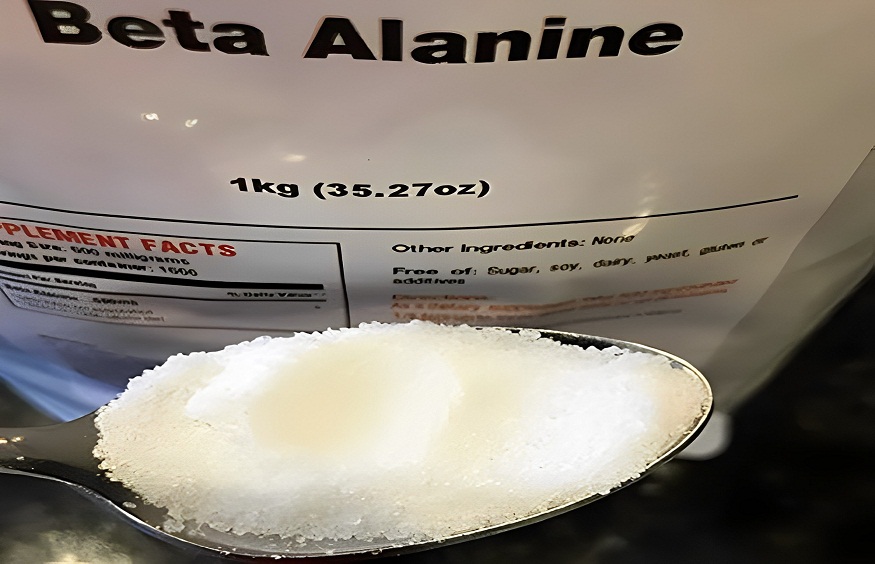
    By now I think many of you have already heard about beta-alanine and the excitement it generates in the sporting as well as scientific community. Indeed, it is a very popular supplement among athletes which helps improve strength-endurance capabilities . This article explains what you need to know about beta-alanine, how it works, and when to use it.

    What is beta-alanine?

    Beta-alanine is a non-essential amino acid , classified as a non-proteinogenic amino acid, that is to say one which is not primarily involved in protein synthesis. It is rather responsible for increasing intramuscular buffer capacities with the help of histidine by allowing, together, the synthesis of carnosine . Another amino acid that is stored in skeletal muscles and which is of particular interest to us today.

    Carnosine is found in type 1 and type 2 muscle fibers but is in significantly higher concentrations in type 2 fibers. The latter are preferably used for explosive movements or during high intensity effort and are also the most susceptible to muscle growth.

    Thus, beta-alanine and carnosine are most commonly found in meat, fish or certain dairy products. Here are rough estimates of the beta-alanine content in certain foods / 100gr:

    So, although you can get this amino acid through food, you have to consume a lot of meat (kilos and kilos!) before you get an effective minimum dose. So, to make things easier on your stomach as well as your wallet, using a supplement allows you to get enough beta-alanine easily and very quickly. Additionally, if you are vegetarian or vegan, you will have great difficulty obtaining beta alanine and should consider taking a supplement.

    The key, carnosine

    It should be noted that at the muscle level, histidine levels are generally high and beta-alanine levels very low. It is this last limiting factor which hinders the production of carnosine. This is why taking beta-alanine is indicated in order to optimize the production of carnosine.

    The majority of the effects of beta-alanine are thus caused by its ability to stimulate the synthesis of Carnosine. The latter is a dipeptide composed of amino acids, beta-alanine and histidine, and has the ability to stabilize muscle pH by absorbing H+ hydrogen ions (it acts as an intracellular buffer). Carnosine, stored in cells, is released in response to a drop in pH induced by exercise and offers protection against the production of lactates and therefore fatigue during exercise which uses the anaerobic lactic pathway.

    How it works, in brief

    The mechanism of action of carnosine during exercise is as follows:

    Glucose is broken down / glycolysis: Glucose is the main fuel source during high-intensity exercise after phosphocreatine stores are depleted (a few seconds, i.e. the anaerobic alactic pathway).

    Lactates are produced : When you exercise, your muscles reduce glucose to lactic acid which is instantly converted to lactates, which produces hydrogen ions (H+).

    The muscle environment becomes more acidic : hydrogen ions reduce the pH level in your muscles.

    Fatigue sets in : muscle acidity blocks the breakdown of glucose and reduces the ability of muscles to contract and exert force.

    Finally, Carnosine serves as an intracellular buffer , reducing muscle acidity during high-intensity exercise. Carnosine helps stabilize muscle pH and absorb hydrogen ions that are released in excess during exercise ( Artioli, G. G et al ). As a result, this allows you to maintain your strength, speed and power for a slightly longer period of time in the anaerobic lactic pathway.

    However, there is a problem. The amount of carnosine that can be produced at the cellular level depends on the amount of beta-alanine, not histidine. Only when the body has excess beta-alanine (through supplementation) does it produce high levels of carnosine.

    This explains the logic of beta-alanine supplementation: to easily and quickly increase carnosine concentrations in muscle tissue. It is thanks to this indirect effect of beta-alanine that carnosine really exerts its influence.

    You may ask yourself, “Why not take carnosine directly?  “. Well, because carnosine is degraded as soon as it enters the bloodstream! Fortunately, the ingestion of beta-alanine allows the synthesis of Carnosine with the help of Histidine.

    To do what ?

    Whether you are a professional or amateur athlete, you know the importance of endurance on performance. Beta-alanine as a supplement helps increase intracellular buffering capacity during exercise, allowing athletes to perform intense efforts for a little longer. Therefore, if you are looking for a boost in anaerobic lactic performance, beta-alanine is for you.

    Beta-alanine may reduce fatigue, increase endurance, and increase performance in high-intensity exercise.

  • Why are we afraid of the dentist and how to relax before a visit?

    Why are we afraid of the dentist and how to relax before a visit?

    998 Views

    Does your heart race at the sound of the dentist’s drill? You are surely part of the 33%* of French people who fear entering the door of a dental office. The thought of pain often even leads to canceling or postponing a medical appointment. However, neglecting your oral care increases the risk of developing cavities and gum disease, or even more serious infections. Where does this fear of the dentist come from and what techniques allow you to relax before a consultation ? Discover the mechanisms of dentophobia and ways to relieve it in this article.

    Understanding the vicious cycle of stomatophobia

    What causes anxiety during a medical visit to the dental office?

    Many factors can cause stress when approaching a consultation. The fear of the dentist is anchored in the collective unconscious with the image of the tooth puller or through pictorial and cinematographic works. Dentistry techniques evolved a lot since the time when teeth were extracted in front of an audience during a theatrical performance and without anesthesia. The drill has been abandoned in favor of quieter tools and advanced dental surgeon training.

    Anticipation of pain remains the main vector of anxiety in dentistry . A dental past experienced as traumatic, particularly during childhood, could anchor an unpleasant memory. The senses also play a major role since the smell of products or the sound of instruments arouse negative emotions. Finally, the environment, with the waiting room, can contribute to a feeling of discomfort in a patient who is already alert and concerned about future care.

    How do patients’ anxieties regarding oral care manifest?

    Fear of the dentist induces hormonal activation that stimulates certain organs and inhibits others. Physiological signs include :

    an increase in respiratory rate and dilation of the bronchi.

    Body language also conveys its share of clues about your anxious state. The look, vector of emotions, often reflects the apprehension felt in the chair. The facial expression is revealing, as are the hands gripping the armrests. Sudden gestures, sometimes uncontrolled, show serious concern. Among the cognitive effects , hyperactivity, the inability to put procedures into perspective or the fact of bombarding the practitioner with questions indicate anxiety. A trembling voice, stuttering or rapid speech also indicate detectable discomfort.

    What are the consequences of a dentist phobia on oral hygiene?

    The fear of a dental office visit leads patients to postpone their appointments. However, these cancellations are not the result of optimal oral health. If care is not taken to preserve the well-being of the teeth , problems may appear or worsen. A simple cavity can develop into a toothache or lead to an abscess.

    Delaying treatment increases the worsening of symptoms and treatments focused on the pain rather than their causes, as well as self-medication. This vicious cycle was highlighted in the study exploring the links between dental hygiene and anxiety by Jason M Armfield, Judy F Stewart and A John Spencer.

    In addition, negative emotions such as shame or guilt can paralyze the patient who has postponed his consultations. The deterioration of oral health therefore becomes an additional reason for not pursuing care. SM Cohen, J Fiske and JT Newton revealed that dental anxiety has a significant impact on daily life . In addition to disrupting sleep, it can hinder your professional and personal social relationships.

    However, solutions exist to reduce anxiety-provoking stimulation and make you want to visit your dentist!

    Overcoming fear of the dentist with virtual reality

    Defusing panic attacks: relaxation techniques that relieve fear of the dentist

    Using music therapy to relax in the operating chair

    Sounds are a vector of tension or serenity. As we have seen, the dental environment can cause discomfort because of the noises that characterize it. In order to divert your attention from these notes, music therapy occupies the hearing to bring about greater well-being .

    Music has healing and calming properties . Its impact on the emotionality of listeners can thus lead to deep relaxation. The work of Maurice Gabai and Jacques Jost is revealing on the soothing effect of auditory stimulation. In odontostomatology, this therapeutic approach takes on its full meaning to create a safe space and promote relaxation. A victim of intense emotional value, it raises the barriers of verbal language and releases muscular tensions.

    Practicing hypnosis throughout the consultation with a dental surgeon

    It was the Scottish doctor J. Braid who introduced the technique of hypnosis to France through the fixation of shiny objects in 1841. Its main application was hypnoanalgesia and developed in the middle of the 19th century. This state of conscious trance is achieved through suggestions.

    The patient, awake throughout the process, is invited by mental images and indications from the practitioner to relax. Your attention then focuses on your inner world and no longer on external stimuli. Dentists trained in hypnosis thus lead to a modified state of consciousness in order to better experience oral care .

    Try acupuncture to release nervous tension

    Coming from a branch of traditional Chinese medicine, acupuncture stimulates certain points of the body in order to restore the circulation of energy. Needles are thus placed on precise locations in order to eliminate blockages and restore balance.

    According to a study conducted by the medical journal European Journal of Integrative Medicine, acupuncture can treat dental anxiety . Researchers from the University of York in the United Kingdom analyzed six therapeutic trials involving 800 patients. Using a points scale, they were able to observe a significant reduction in stress . Although further research is needed, these initial results present acupuncture as a relevant accompaniment treatment to calm down and overcome the fear of the dentist.

  • The different types of stomach aches

    The different types of stomach aches

    925 Views

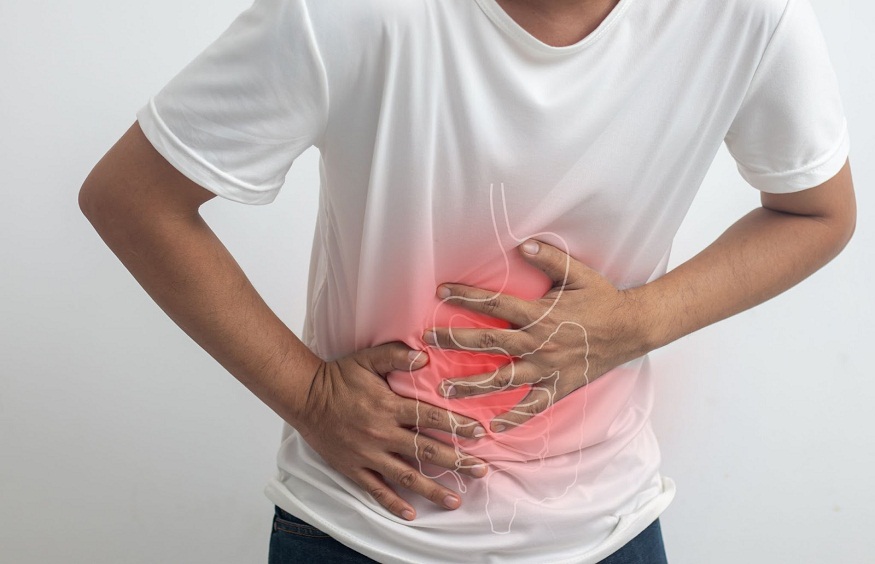
    Heartburn is one of the most common stomach aches. They are characterized by pain in the sternum which can rise to the throat. These acid refluxes are due to a dysfunction of the sphincter. Normally, the contraction of this muscle helps prevent the contents of the stomach from flowing back into the esophagus. Heartburn is caused by a relaxation of the sphincter causing gastric fluid to rise .

    This type of stomach ache occurs after meals and can be worse when lying down . You may also have a sour or bitter taste in your mouth associated with acid reflux (GERD) . The causes of this pain can include a diet that is too rich, stress, pregnancy, a side effect linked to a medication, among others.

    Acute stomach pain results from cramps. These cause the muscles around the stomach to contract. These pains are very severe and can have various origins. They occur in the so-called epigastric region and are often linked to eating meals.

    When food is contaminated by bacteria or a virus, its ingestion causes a digestive disorder. In the case of diarrhea, the excessive acceleration of transit causes liquid stools which are accompanied by violent stomach cramps . During food poisoning, stomach cramps are associated with diarrhea and vomiting to expel the pathogen. Finally, in cases of gastroenteritis, inflammation of the lining of the stomach and intestine causes cramps, diarrhea and vomiting. Other causes can be sought such as pinworm infection , gastric ulcer (rarer) or transient gastritis (acute inflammation of the stomach lining).

    Stomach cramps can also be caused by irritable bowel syndrome . Also called functional colopathy , this chronic pathology is said to be “functional”, that is to say that no abnormality of the affected organs can be detected using traditional examinations. The dysfunction is mechanical and affects the small intestine and the colon . The latter experience an acceleration or slowdown of transit causing various symptoms that are sometimes very bothersome, such as stomach cramps, bloating and diarrhea.

    Please note: cramps can occur if you ingest a spicy or acidic food. These can cause irritation to the lining of the stomach and intestines.

    Lower stomach pain

    If you have pain in your lower abdomen, there could be several reasons and this may differ if you are a man or a woman. This can be due to appendicitis , peritonitis, cystitis , menstrual pain in women or prostatitis in men.

    Stomach ache due to Covid-19

    Stomach ache is a symptom of covid-19, but it is not the most common. It can manifest itself as diffuse pain in the stomach and lower abdomen and is accompanied by other digestive disorders (diarrhea, vomiting), but also by more common symptoms such as cough , fever, sore throat . If you experience symptoms suggestive of covid-19 , you must put in place barrier gestures and carry out a PCR test .

    Stomach ache during menstruation

    In women, painful periods are a very common cause of discomfort. They can in fact cause more or less intense stomach aches .

    This pain is located in the lower abdomen and can be very severe, which can become a real handicap. If you cannot relieve your stomach pain with treatments like paracetamol , you should talk to your doctor. In addition, if these pains repeat themselves with each cycle, it can help you find a longer-term solution to relieve them.

    Good to know : endometriosis , a disease that affects the female genital tract, is sometimes responsible for pain in the lower abdomen during menstruation. About 10% of women suffer from endometriosis .

    Stomach aches during pregnancy

    Pregnant women may experience cramps and pain in their lower abdomen during their pregnancy . This is due to the modification of the uterus and in particular the muscles and ligaments which stretch. If you are pregnant, your stomach aches are probably benign, but these pains should be monitored as they may be a sign of an abnormality.

    Furthermore, be aware that bleeding outside of your period and stomach ache can be a symptom of a miscarriage or ectopic pregnancy . You must immediately consult.

    Stomach ache after eating

  • Aesthetic and plastic surgery for better aging

    Aesthetic and plastic surgery for better aging

    962 Views

    Whether he is in the operating room, in consultation with his patients or with the residents he teaches, Dr. Karl  Schwarz works to undo the prejudices surrounding plastic surgery. Because when patients tell him that their lives are transformed after going under his knife, he recognizes the immense positive impact that surgery can have.

    What is an XTRA?

    For Dr. Karl Schwarz, the choice  to pursue a specialty in plastic surgery was obvious. It must be said that, before him, his father had distinguished himself as a plastic surgeon. Very early on, Dr. Schwarz  was able to see the art behind surgery: “Plastic surgery is the perfect combination of science, engineering and art,” he summarizes.

    The Montreal surgeon learned his lessons with the greats, notably at Georgetown University Hospital, one of the best plastic surgery residencies in North America. A certified member of the American Board of Plastic Surgery and the Royal College of Physicians and Surgeons of Canada, Dr. Schwarz  contributes to training the next generation in this field which fascinates him.

    By founding Clinique K, the renowned surgeon imagined an ultra-modern practice specializing in plastic and reconstructive surgery, a place where honesty with the patient and the achievement of natural results are prioritized. It is the ultimate compass that guides Dr. Schwarz  . “In my eyes, it is the plastic surgeon’s entire responsibility to ensure that the client understands what is possible and what is not, depending on their physiognomy and the limits of the human body,” explains- he. Our role is also to ensure that their expectations are realistic before going under the knife. » It is not uncommon, moreover, for Dr. Karl  Schwarz to refuse to perform an intervention on a patient.

    It must be remembered that these are cosmetic and elective procedures. The patient must be in good physical and mental health, and the reasons for choosing to have surgery must be well-founded.

    Although he advocates self-acceptance, Dr. Schwarz  is at the forefront of measuring the positive impact that surgery can have on the men and women who choose it. Sometimes considered frivolous, certain interventions can nevertheless change lives. “When a young girl has been self-conscious about her nose all her life, for example, rhinoplasty can help her gain confidence and relate to others,” illustrates the surgeon.

    However, it is when he works in reconstructive surgery that his work takes on its full meaning. Whether we think of breast reconstruction for breast cancer survivors or facial reconstruction after trauma, these surgical procedures often help the patient progress through the recovery process. In Canada, Clinique K is one of the rare private practices to offer breast reconstruction privately.

    Some women proudly wear their mastectomy scars as a badge of honor and I have great respect for them. For others, reconstructive surgery is part of the path to recovery. When they tell me that their lives are transformed after the operation, it gives meaning to what we do here.

    The human factor

    When we ask Dr. Schwarz  what explains Clinique K’s reputation for excellence, the answer is not long in coming: the team. “It is the human factor that limits the risks for the patient. It’s the anesthesiologist, it’s the nursing staff in the operating room, those in the recovery room; it is all these humans who ensure the safety of the patients who trust us,” he concludes.